Jeep Cherokee 1984-2001: Why is My Power Steering Reservoir Leaking Foam?
The power steering system typically operates so seamlessly that one can forget it is even there. That being said, when a problem arises in the system, it will certainly make itself known. Whether your power steering fluid is foaming, or your pump whining, inspection of the power steering system is of utmost importance to maintain vehicle control.
This article applies to the XJ Jeep Cherokee (1984-2001).
While many modern vehicles are now using electrically-assisted power steering systems, XJ Jeep Cherokees are equipped with a traditional hydraulic power steering setup. In a hydraulic power steering system, the hydraulic pump is belt-driven by the engine and supplies fluid to the steering gear assembly (a.k.a. steering box). As the steering wheel is turned, the pressure from the pump is directed passed the steering control valve and into the pressure chamber associated with the desired direction of travel, thus assisting the driver in turning the wheels. While the chamber for the desired direction is pressurized, the unused chamber is vented to the reservoir. As the wheels are straightened, the steering control valve returns to a resting position and pressure equalizes in the system. The proper operation of a power steering system is highly dependent on being completely sealed and having the correct fluid level in the power steering pump reservoir. Foaming power steering fluid is a sign that air is being sucked into system and causing the fluid to aerate.

Materials Needed
- Metric wrench set
- Cleaning solvent (i.e. brake cleaner)
- Power steering fluid
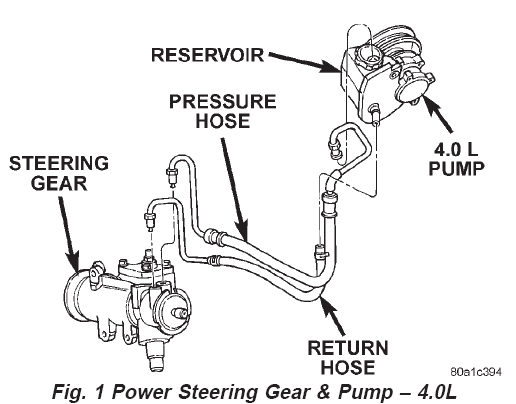
Step 1 – Inspect power steering system for leaks
Foaming power steering fluid is typically caused by air being sucked into system through cracked or loose fittings, or a worn power steering pump shaft.
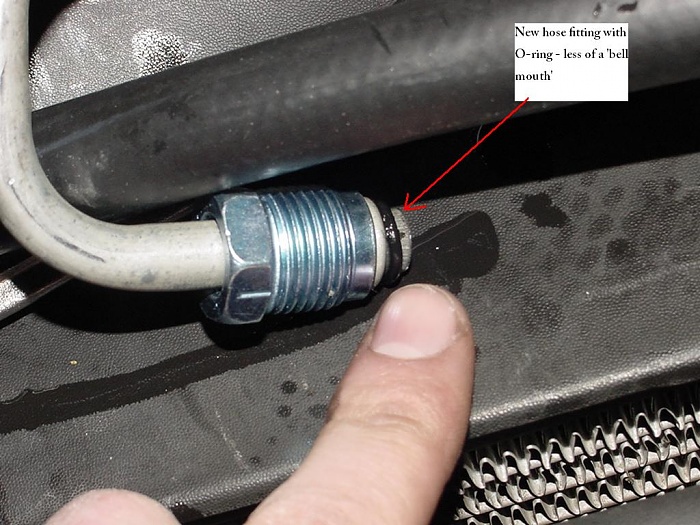
- Inspect the power steering lines running from the pump to the steering gear assembly for signs of leaking fluid. The pressure and return lines combine a hard line with a high pressure rubber hoses, either of which can fail. Be sure to inspect the crimp fitting holding the lines together. Also, if fluid is leaking where the lines attach to the pump or steering gear, the small O-rings may have failed. Be sure all fittings are tight. In some cases air can be sucked into the system, but not leak any fluid.
-
Inspect the power steering pump for signs of fluid leaking around the pump shaft. A leak in this area can quickly suck in air, causing aeration of the fluid and subsequent foaming. Pump shaft seals are readily available and can be replaced; however, a worn pump shaft will require a new pump be installed. The belt can be removed from the pump pulley and the pump shaft inspected for excessive play.

Figure 3. Inspect power steering pump for leaks. -
Inspect the steering gear for signs of leaking fluid. The input shaft and pitman arm seals are prone to leaking, but the seals are available and can be replaced by disassembling the steering box.
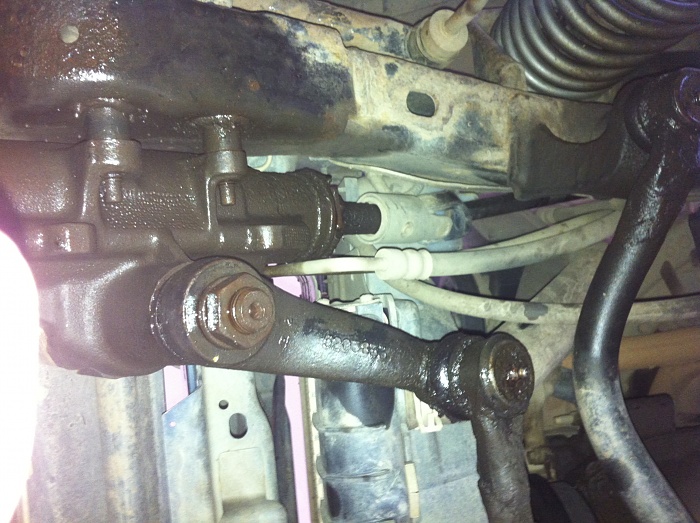
Figure 4. Leaking pitman arm seal on steering box.
Pro Tip
Leaking power steering fluid can be quite messy and make it difficult to determine the true source of a leak. It is recommended that the area be cleaned to help aid in diagnosing the leaking component.
Step 2 – Check fluid level
After correcting any leaks and ensuring all fittings are tight, check the power steering fluid level. The dipstick will have "Hot" and "Cold" fill markings that will indicate the fluid level depending on its temperature. Fill the reservoir until the appropriate level is achieved.
.jpg)
Pro Tip
A low power steering fluid level can result in pump cavitation and subsequent moaning as well as loss of power steering operation. Continuous driving with a low fluid level can cause internal pump damage and eventually pump failure if left untreated.
Step 3 – Start the car
- With the proper fluid level achieved, start the car.
- If a component of the power steering system has been replaced, be prepared to add fluid to the reservoir.
- Visually inspect power steering components to ensure no leaks are present.
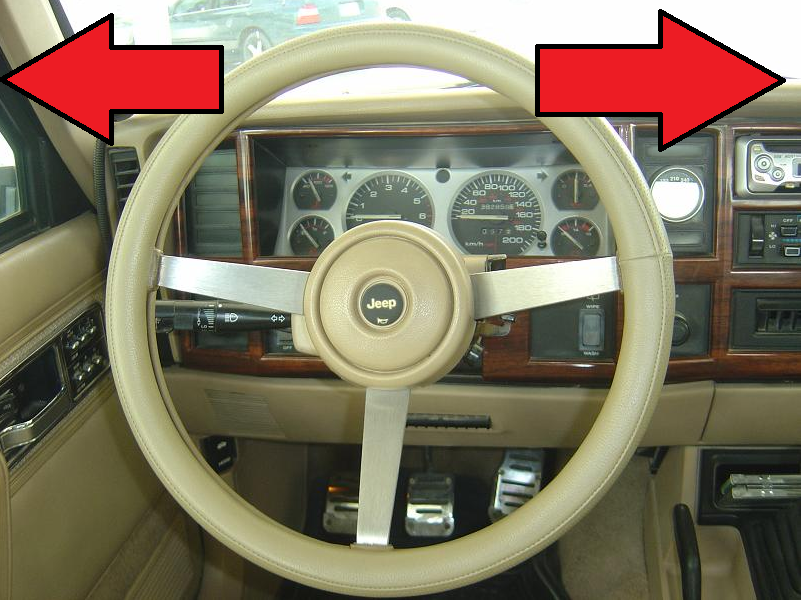
- Once the fluid level remains constant, slowly turn the steering wheel back and forth, from lock to lock to bleed any residual air from the system.
- Check fluid level once more before reinstalling the reservoir dipstick.
Pro Tip
When working the steering wheel back and forth, do not rest it against the stop at full lock because this will increase pump pressure and can cause pump damage.
Related Discussions
- Power Steering Blowing Fluid - CherokeeForum.com
- Foamy Power Steering Fluid - CherokeeForum.com
- Power Steering Problem, Help!- CherokeeForum.com