Jeep Cherokee and Jeep Grand Cherokee 1984-2004: Why is My Car Vibrating?
Is your Jeep suffering from vibrations? Learn how to identify and fix these common vibrations with the help of this article.
This article applies to the Jeep Cherokee and Jeep Grand Cherokee (1984-2004).
Jeeps are well-built road and off-road machines, but as time goes by they can also develop slight vibrations and sounds just like any car on the road. Some vibrations can be quite generic, which can be quick to diagnose and easy to fix, while others can take a longer to locate and be a bit more complicated or even perhaps expensive to correct. Vibrations are telltale signs of a possible problem happening or about to happen, so it is important to not ignore vibrations regardless of how benign they may seem. Follow this guide to learn about the most common reasons behind vibrations in Jeeps.

Materials Needed
- Lug nut wrench
- Air tire pressure gauge
- Various size sockets and wrenches
- Timing gun (optional)
- Floor jack and jack stands
Step 1 – Check your tires
They may have the incorrect air pressure or be out of balance.
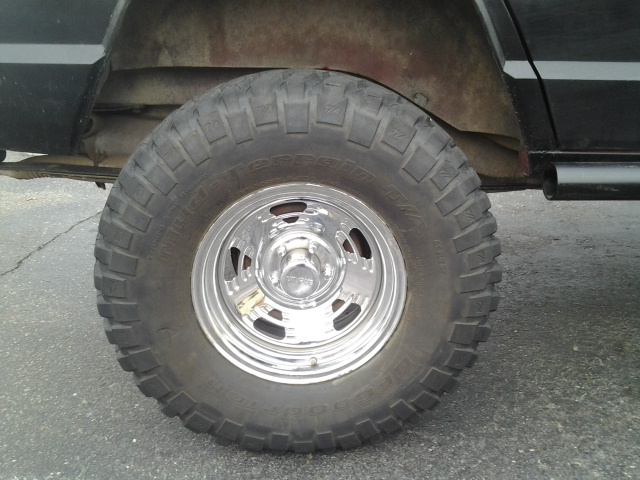
Eight out of 10 cases of vibrations behind the steering wheel are caused by tires or wheels. Because tires make direct contact with the ground, they tend to maximize vibrations due to speed while driving. Incorrect air pressure, un-rotated tires or unbalanced wheels can cause light to severe vibrations. Follow these steps:
- Use an air pressure gauge to compare your actual pressure against the manufacturer recommended pressure, and adjust if needed.
- Visually inspect tires for damage or bumps that could be causing them to spin out of balance.
- Perform a wheel balancing at a tire shop.
If those measures don't fix the problem, move to this next step.
Step 2 – Check engine timing
It may be off.
It has been a reported problem with many Jeep owners about a strong vibration when the vehicle is at idle. At idle, the timing belt and camshaft spin at low rpms which then increase once you engage drive; therefore, at idle it's somewhat easier to narrow down the source of the vibration. Follow these steps to check or correct the engine timing:
- Open the hood.
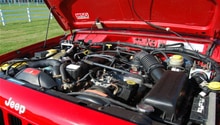
- Locate the engine timing window by the timing belt main pulley.
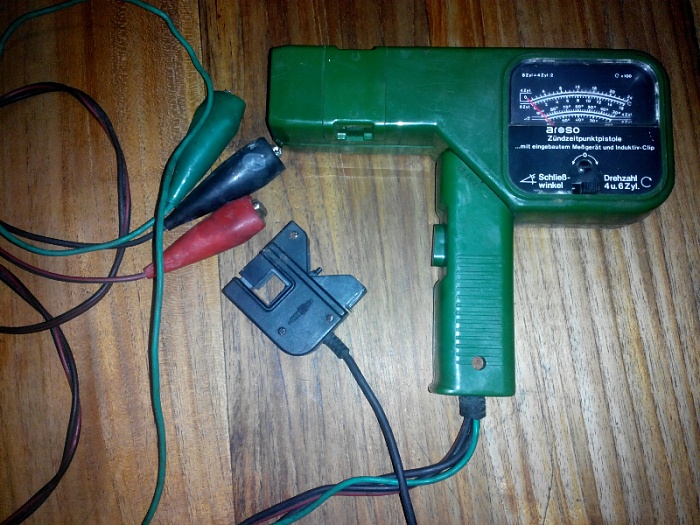
- Use a timing gun to check for the right timing of the belt. (Most auto parts store may loan timing guns.)
- Adjust timing belt, if needed, with the help of a 17mm socket and ratchet wrench.
If the engine timing isn't your issue, it's time to check the brakes.
Step 3 – Check your brakes
The brake pads may be worn out, or the rotors warped.
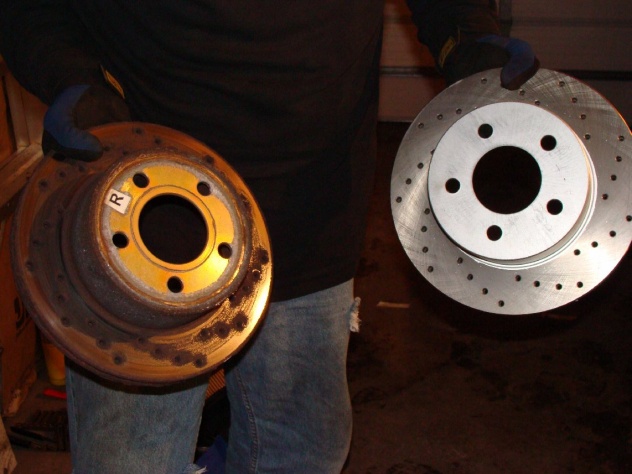
The basic function of the brake system is to slow you down, but the way it does that is by employing the brake pads to bite the spinning brake rotor in order to slow the wheels down; therefore, you're dealing with lots of heat and friction. Brake pads are constantly being worn and rotors also start "thinning" as time goes by. Either one of these can cause for severe vibrations at cruising speeds as well during braking. While brake pad wear is easy to check, rotor thickness is usually performed at the dealership or repair shop.
- Use a jack to lift up your Jeep and secure it with jack stands.
- Remove the appropriate wheels.
- Remove brake calipers.
- Pull out brake pads and inspect for excessive wear. (No brake pad compound left.)
- Have brake rotor thickness checked by a professional and repair if needed.
Related Discussions
- General Shaking Issues with Jeep Cherokee - CherokeeForum.com
- Jeep Vibration at Idle - CherokeeForum.com
- Steering Wheel is Vibrating at Speed - CherokeeForum.com