Jeep Cherokee 1984-2001 Suspension Performance Diagnostic Guide
Is your suspension giving you fits, making lots of weird noises, vibrations, or other crazy sensations? We'll help you track down the root cause of the problem to get your Jeep traveling smoothly over the road again.
This article applies to the Jeep Cherokee XJ (1984-2001).
Suspensions run the gauntlet of different parts, all of which work together in harmony to provide a normally smooth ride for your Jeep. When there's a problem with a suspension part, it can be difficult to locate because the symptoms are often similar, no matter where the problem is coming from. Thankfully, there are a variety of ways you can determine where your noisy or problematic suspension is failing. We've rounded up some of the more common issues here, as well as the typical cause and remedy for each.

Materials Needed
- Floor jack
- Jack stands
- Small hammer (optional)
Step 1 – Check for leaky or noisy shocks
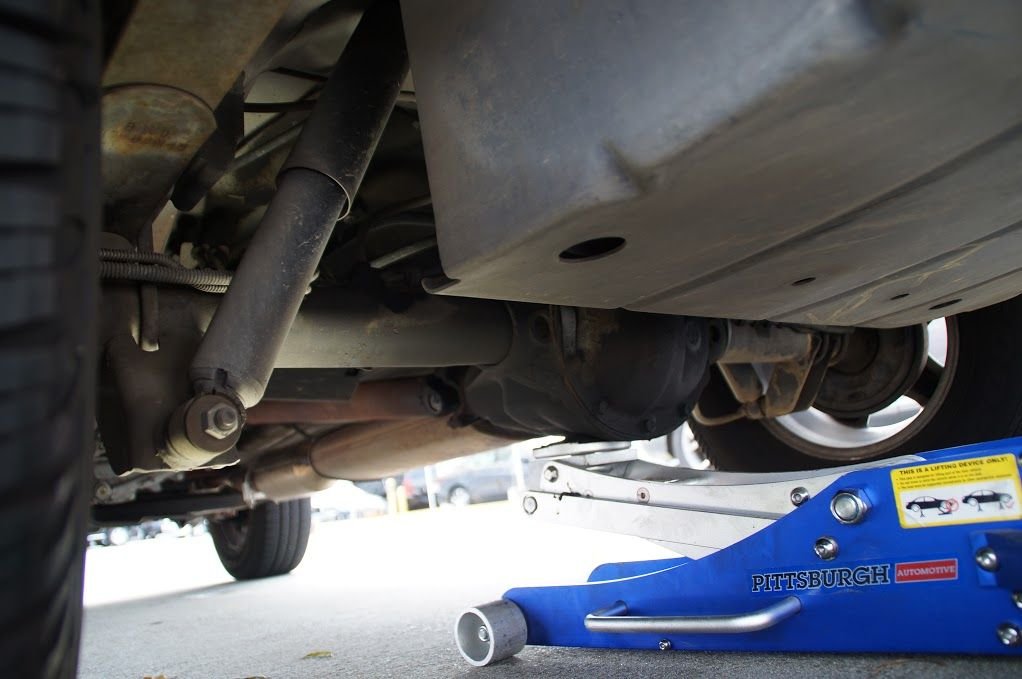
Bad shocks can make lots of noise and affect drivability as well as safety.
When your shocks are worn out, you might just hear some squeaky noises while driving over bumps, uneven road surfaces, or turning around corners. Your ride quality will diminish over time and your ride will become rather bouncy. When braking or accelerating, you may also notice an excessive dive or squatty feeling. Finally, if your shocks are leaking, you might notice small puddles of fluid on the ground underneath them. Try pushing down on each corner of the car and observe how the shocks react. If they rise back up and stop, the shocks are fine. If they bounce once or several times, they should be replaced.
If your shocks are in good shape, move on to Step 2.
Step 2 – Check alignment
Your suspension might simply be out of alignment.
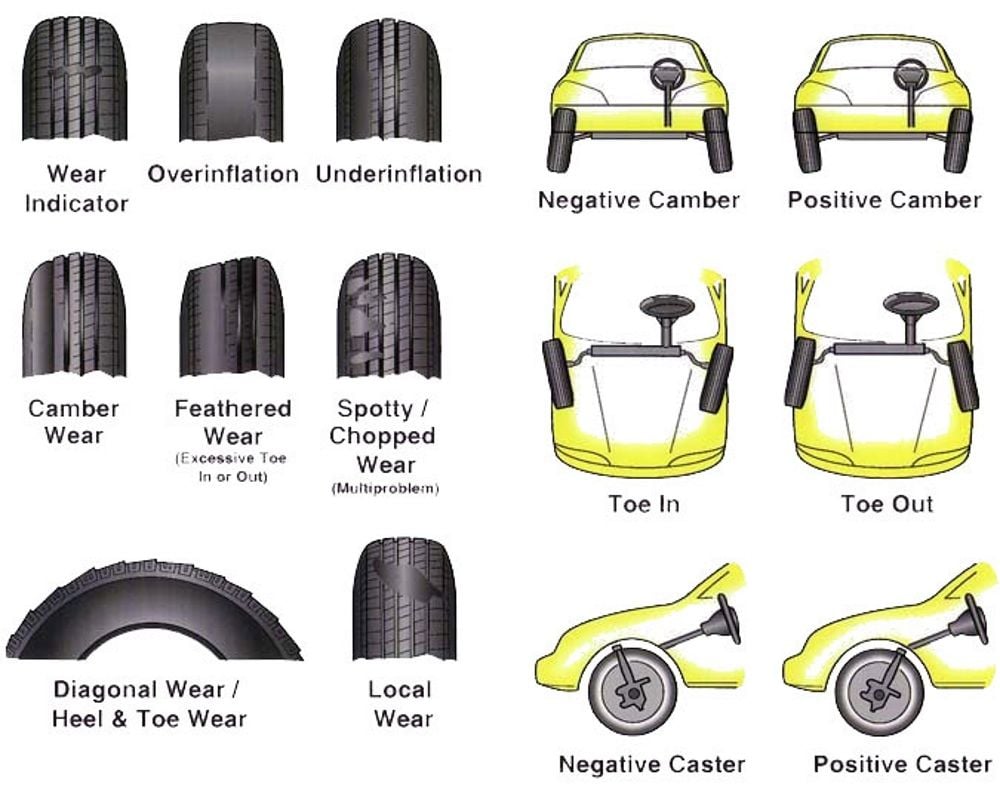
Over time, your suspension components will slowly come out of alignment. If you drive on rough roads or go off-roading on a regular basis, this can happen rather quickly. If you've recently installed new suspension components, wheels and tires, or lifted your Jeep, you will need to get an alignment as well. While it is best to take your Jeep to a shop for a professional alignment, you can also perform the job at home with a few basic tools and a flat driveway.
If your alignment is in good shape, move on to Step 3.
Step 3 – Check ball joints and bearings
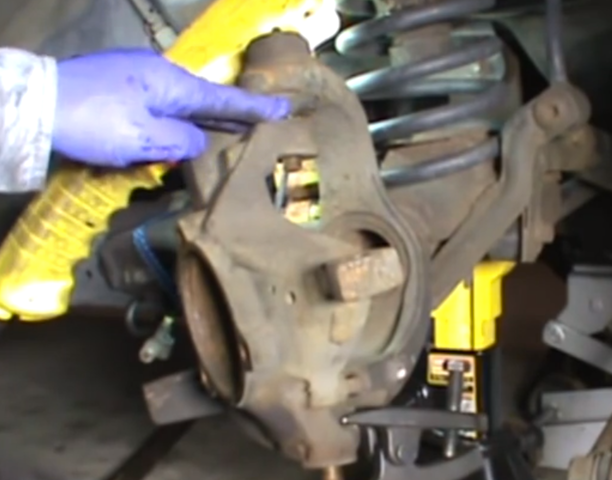
Bad ball joints can cause excessive wobbling.
If your Jeep wobbles excessively, especially at higher speeds, you could have worn or damaged ball joints or wheel bearings. To check them, lift it up and place it on four jack stands so that all four wheels are hanging freely and off the ground. Grab each wheel and try to shake it from the top and the bottom. If there is excessive play and/or noises coming from the wheels, you probably have a bad ball joint or wheel bearing.
If your ball joints are OK, move on to Step 4.
Step 4 – Check track bar and leaf springs
Excess slack or play in the suspension will cause increased NVH (noise, vibration and harshness).
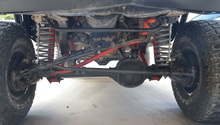
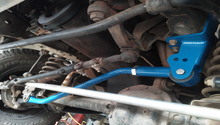
With the Jeep still in the air, take a look at the front and back suspension. Use your hands or a small hammer to check for any play in your track bar. Have someone turn the steering wheel while you observe underneath for any loose components. Move to the rear and check your leaf springs to see if they have any damage. Try to move them with your hands or a small pry bar to check the bushings. Any damaged parts should be replaced.

Related Discussions
- Death Wobble - CherokeeForum.com
- Vibration After Suspension Lift - CherokeeForum.com
- Sway Bar Suspension Problems - CherokeeForum.com