


Hood Vent feeler

CF Veteran
Joined: Jan 2010
Posts: 5,482
Likes: 25
From: Virginia Beach by way of Michigan

Coming from someone who has over 2 years of running vents in an area that gets heavy rain, some snow, and hot, humid summers...
1. Place the vents near the back of the hood. That's where all your heat builds up. If it can be released where it's getting built up the vents will be more effective.
2. No matter how they're built, drip pans will restrict the heat escaping. You're putting a piece of metal below the vent, thereby blocking airflow out. I'm not saying they make vents not work, just saying you do block airflow.
3. Vents must have drip pans when they're located at the back-center of the hood = MYTH. Check my build thread. You can see where mine are located. I don't have drip pans. What I do have is di-electric grease. This should be used on electrical connections on any vehicle, especially those under the hood. Whether you run vents or not, you get water in the engine bay when it rains and you drive down the road. How do I know this? Because there's a big hole on the underside of your vehicle right where the engine sits. The engine bay isn't water proof and those connections will get wet whether you have vents or not. Almost 2.5 years after putting in vents I've had zero issues with water on any of my engine bay electronics for one reason - I put di-electric grease on them. And that's with snow, hurricanes, tropical storms, and regular 'ol weather patterns.
I'm not saying I'm an expert on the matter, nor am I saying that it has to be done the way I did it. What I am saying is this is what I've learned from my own personal experience to work best. It's your Jeep, so make it how you want it. Just offering some advice.
1. Place the vents near the back of the hood. That's where all your heat builds up. If it can be released where it's getting built up the vents will be more effective.
2. No matter how they're built, drip pans will restrict the heat escaping. You're putting a piece of metal below the vent, thereby blocking airflow out. I'm not saying they make vents not work, just saying you do block airflow.
3. Vents must have drip pans when they're located at the back-center of the hood = MYTH. Check my build thread. You can see where mine are located. I don't have drip pans. What I do have is di-electric grease. This should be used on electrical connections on any vehicle, especially those under the hood. Whether you run vents or not, you get water in the engine bay when it rains and you drive down the road. How do I know this? Because there's a big hole on the underside of your vehicle right where the engine sits. The engine bay isn't water proof and those connections will get wet whether you have vents or not. Almost 2.5 years after putting in vents I've had zero issues with water on any of my engine bay electronics for one reason - I put di-electric grease on them. And that's with snow, hurricanes, tropical storms, and regular 'ol weather patterns.
I'm not saying I'm an expert on the matter, nor am I saying that it has to be done the way I did it. What I am saying is this is what I've learned from my own personal experience to work best. It's your Jeep, so make it how you want it. Just offering some advice.

Senior Member
Joined: Jan 2012
Posts: 804
Likes: 0
From: Tennessee
Model: Cherokee
Engine: 4.0
Yea, the whole point of the vents is to put them in the back where the head gets so hot... Putting them in the front would completely defeat the purpose.
Actually, as you stated before, you dont even need them because you dont run hot... Some people will tell you that hood vents will not bring down engine temps but i have to say that is absolutely NOT TRUE. Adding my two vents on the rear of the hood dropped my engine temps 12-15 degrees while on the trail which was just enough to keep it under that "breaking point" of sending that thing into an overheating tail spin like it was doing before.
If you dont really NEED them, then why cut holes in a perfectly good hood?
Actually, as you stated before, you dont even need them because you dont run hot... Some people will tell you that hood vents will not bring down engine temps but i have to say that is absolutely NOT TRUE. Adding my two vents on the rear of the hood dropped my engine temps 12-15 degrees while on the trail which was just enough to keep it under that "breaking point" of sending that thing into an overheating tail spin like it was doing before.
If you dont really NEED them, then why cut holes in a perfectly good hood?
Seasoned Member
Joined: Jun 2009
Posts: 294
Likes: 0
From: West Michigan
Year: 2000
Model: Cherokee
Engine: 4.0l IL6
Seems like there is a benefit to both front and rear louvers. rear louvers let the heat escape that gets trapped in back, especially the heat generated by the manifold. And at low speed on the trail (when my jeep likes to overheat) there is probably not much of a high pressure zone.
Directly behind the radiator is also were a large majority of heat can collect from the radiator dissipating heat. So seems like that would benefit at most speeds.
I once found a pressure and temperature study studty that a guy did on a wrangler and the low pressure zones tend to be on the front of the hood, and the hot spots are directly behind the radiator and rear side by the manifold
Engine bays are designed to get wet and muddy. Protect your electronics with dielectric. Might want to avoid dumping directly into the distributor, but if it is has a good seal and plug wires are greased, shouldn't hurt (maybe).
XJ's get hot, especially at low speed, any reduction in engine bay temperature will reduce the wear rate of the components under the hood .
.
I have been having problems with overheating this summer so I have been researching the topic. I might do 2 strip louvers just behind the radiator and 2 toward the rear.
I was also going to get extreme and put two radiator fans on the rear louvers to force heat out and add a aux tranny cooler because that thing creates some serious heat (especially with stock gears and 33's) that your radiator has to pick up the slack on (extends tranny life too)
Directly behind the radiator is also were a large majority of heat can collect from the radiator dissipating heat. So seems like that would benefit at most speeds.
I once found a pressure and temperature study studty that a guy did on a wrangler and the low pressure zones tend to be on the front of the hood, and the hot spots are directly behind the radiator and rear side by the manifold
Engine bays are designed to get wet and muddy. Protect your electronics with dielectric. Might want to avoid dumping directly into the distributor, but if it is has a good seal and plug wires are greased, shouldn't hurt (maybe).
XJ's get hot, especially at low speed, any reduction in engine bay temperature will reduce the wear rate of the components under the hood
.I have been having problems with overheating this summer so I have been researching the topic. I might do 2 strip louvers just behind the radiator and 2 toward the rear.
I was also going to get extreme and put two radiator fans on the rear louvers to force heat out
and add a aux tranny cooler because that thing creates some serious heat (especially with stock gears and 33's) that your radiator has to pick up the slack on (extends tranny life too)
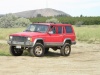


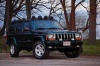
Thread Starter
Senior Member
Joined: Nov 2010
Posts: 976
Likes: 5
From: Cloquet, MN
Year: 2000 Ltd.
Model: Cherokee
Engine: 4.0L I6
CF Veteran
Joined: Mar 2011
Posts: 2,570
Likes: 4
From: California
Year: 1992
Model: Cherokee
Engine: 4.0 HO
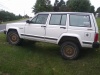
CF Veteran
Joined: Jan 2012
Posts: 1,057
Likes: 2
From: Nazareth/Pen Argyl, Pennsylvania
Year: 1989
Model: Cherokee
Engine: 4.0L 242ci I6
CF Veteran
Joined: May 2011
Posts: 2,516
Likes: 4
From: va
Year: 1996
Model: Cherokee
Engine: i-6 4.0
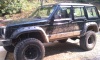
I love mine, no drip pan, the motor gets water on it any way, why worry about them, also going on my 3rd winter so don't say water freezes and cracks anything, it dosent collect any where


Last edited by jeepsurfer1; Oct 22, 2012 at 02:57 AM.
Thread Starter
Senior Member
Joined: Nov 2010
Posts: 976
Likes: 5
From: Cloquet, MN
Year: 2000 Ltd.
Model: Cherokee
Engine: 4.0L I6
I love mine, no drip pan, the motor gets water on it any way, why worry about them, also going on my 3rd winter so don't say water freezes and cracks anything, it dosent collect any where
Attachment 150749
Attachment 150749

Thread
Thread Starter
Forum
Replies
Last Post
shelby5041
Stock XJ Cherokee Tech. All XJ Non-modified/stock questions go here
8
Jul 20, 2016 04:38 PM
Currently Active Users Viewing This Thread: 1 (0 members and 1 guests)

