When you click on links to various merchants on this site and make a purchase, this can result in this site earning a commission. Affiliate programs and affiliations include, but are not limited to, the eBay Partner Network.
Painting A Front Bumper Cover On A 2000 Grand Cherokee
Stock Grand Cherokee Tech. All ZJ/WJ/WK Non-modified/stock questions go here!ZJ (93-98), WJ (99-04), WK (05+)
All ZJ/WJ/WK specific tech questions asked here!
Painting A Front Bumper Cover On A 2000 Grand Cherokee
Painting A Front Bumper Cover On A 2000 Grand Cherokee
I plan to paint the front bumper cover on my 2000 Grand Cherokee before reinstalling it. The cover comes from a donor and is in good shape except it can use some refreshing (after 280K miles). Both vehicles are the same year (2000), paint (PS5) and trim (FLL5). I'm going with stock colors (the darker silver/grey in this case) but can't seem to find anything either through Google or searching here as to where and what spray paint to purchase to do this.
Prepping the surface is key. I haven't done it but I was looking at a used WJ that would need paint. I have used Krylon fusion in the past on both metal and plastic and it has held up very well. I would also consider a few coats of a clear coat to protect it.
But I can't stress enough prepping the surface correctly.
Sometimes finding an exact match can be tough. Have you tried the dealer? If they do have it, it would probably come in a 5oz. can (or so ive heard) which is tiny, so you would need a couple cans. Have you tried the Duplicolor Perfect Match paints at the parts store? They MIGHT have something close if not exact, but its something. They dont always carry every color in the book tho, so if you can find something close that you can live with, go for it. Or see if they can order it. Another option is to have a shop mix some up, but chances are it wont come in a spray can. Which leads to another question. Flex agents. Bumper covers are typically painted with paints that have had a flex agent added. This helps keep the paint from spiderwebbing on impact, and helps protect the paint against stone chips, etc.. Some use it, some dont. Depends how flexible your bumper cover is, i guess. If its a stiff cover with very little flexibility, i probably wouldnt worry about. For softer covers, like on a Corvette, definitely. Those things are like a wet noodle.
If you want a perfect match, go to an automotive paint supplier. They can mix 1 gallon and put it in spray cans for you. That way you get perfect matching color with the proper additives for your application. It won't be cheap, however. They have trouble mixing less than 1 gallon and matching the color perfectly. Some won't even do it.
I got some paint for a Chevy truck to paint a replacement bed and they asked me how old it was and weither it was garaged or not. They mixed the paint PREFADED to match what I had!
Prepping the surface is key. I haven't done it but I was looking at a used WJ that would need paint. I have used Krylon fusion in the past on both metal and plastic and it has held up very well. I would also consider a few coats of a clear coat to protect it.
But I can't stress enough prepping the surface correctly.
Thanks, and completely agree, prep is key. I've heard/read good things about Krylon Fusion as well and may wind up getting their closest color and planning on redoing all the trim eventually.
Sometimes finding an exact match can be tough. Have you tried the dealer? If they do have it, it would probably come in a 5oz. can (or so ive heard) which is tiny, so you would need a couple cans. Have you tried the Duplicolor Perfect Match paints at the parts store? They MIGHT have something close if not exact, but its something. They dont always carry every color in the book tho, so if you can find something close that you can live with, go for it. Or see if they can order it. Another option is to have a shop mix some up, but chances are it wont come in a spray can. Which leads to another question. Flex agents. Bumper covers are typically painted with paints that have had a flex agent added. This helps keep the paint from spiderwebbing on impact, and helps protect the paint against stone chips, etc.. Some use it, some dont. Depends how flexible your bumper cover is, i guess. If its a stiff cover with very little flexibility, i probably wouldnt worry about. For softer covers, like on a Corvette, definitely. Those things are like a wet noodle.
This is probably what I'll wind up doing. I want to keep it as close to original as possible, but I'll take what I can get without putting out the big bucks not to mention the time.
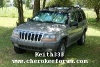
I went to the Krylon Fusion page and the closet they have - in my observation anyway - is Satin Pewter Gray (see attached). That's the thing, I can't even find what "color" Jeep used in production for the trim. So, I went out to the original bumper cover and cut out a sample piece from the lower portion and I'll just see what I can find on the shelf at Home Depot tomorrow and go from there.
I type this a little tongue-in-cheek, but the bumper sample is really close to the gray color of my old Dell Dimension 2400 desktop. Maybe I should contact Dell about color?
Last edited by Keith333; Jul 20, 2017 at 06:56 PM.
Reason: Added image
Found this when Googling "how to paint plastic bumper covers", I'm sure there's several more good ones, too. For myself, it's just a matter of getting the right color.
My build sheet says "Medium Driftwood Metallic" cladding. I was going to paint mine Krylon Fusion Satin Black and I even bought the paint, then I saw a white jeep with the bumpers and cladding painted black at night and the bottom half of it looked like it was missing! It still might look good with my stripes.
Checked out the paints at Home Depot this morning and came home with a 12 oz can of Rust-Oleum Painters Touch 2X paint and primer ("also bonds to plastic") in satin "granite". It's a lighter shade of gray but is off-the-shelf at $4 a can and will probably be there months and even years from now.
The bumper has a half dozen holes in it where people have screwed on plates over the years. What's the best way to fill those in?
I'd put nylon screws in with plastic cement and cut off the heads, sand them to match, prime and paint. In the old days of bodywork, we used to drill a hole in a penny, put a copper wire thru it, and solder it on the back of a fender to fill chrome clip holes. Then snip off the wire, sand, prime, and paint. Using body lead was an art, especially on the vertical.



 Painting A Front Bumper Cover On A 2000 Grand Cherokee