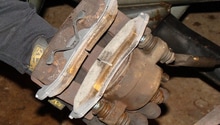
Jeep Grand Cherokee 1999-2004: Brakes Diagnostic Guide
Brake problems can be dangerous, so learn how to diagnose and possibly fix the problem with the help of this article.
This article applies to the Jeep Grand Cherokee WJ (1999-2004).
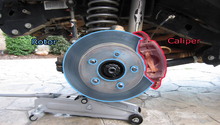
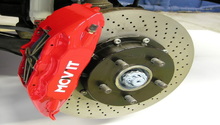
Your Jeep's brakes are responsible for slowing you down and keeping you safe every time you get behind the wheel. The brake system is made up of multiple components, each one playing a different but very important role. When you step on your brake pedal, the brake fluid is forced through the brake lines, which then hydraulically pushes the brake pads sitting inside the brake caliper and then biting the brake rotor to slow your wheels down. Follow this guide to diagnose the most common brake problems; although, if troubleshooting isn't your forte, you may want to visit a repair shop.

Materials Needed
- Floor jack and jack stands
- Socket set and ratchet wrench
- Phillips and flat head screwdriver
Step 1 – Check the brake fluid
It could be low or dirty.
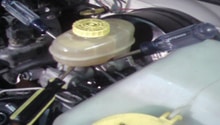
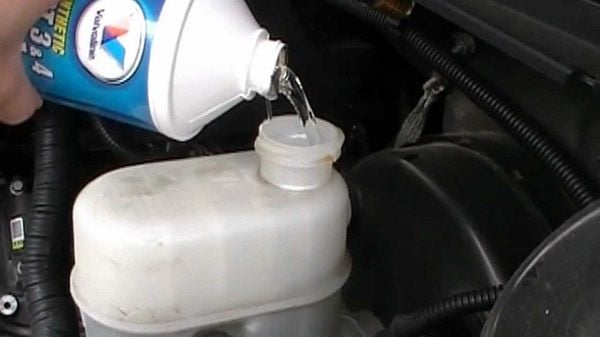
The brake fluid that runs through your Jeep's brake lines has to meet certain criteria. If the brake fluid level is low, or is excessively dirty, it will affect brake performance. Make sure that your brake fluid reservoir is topped off to the appropriate level set by the manufacturer, and make sure it is in clean condition. Typical brake fluid symptoms are spongy brake pedals, brake pedals travels all the way down to the floor, etc. Follow these steps to do so:
- Open the hood and locate the brake fluid reservoir.
- Inspect the side of the reservoir to make sure it's filled to the right level.
- Open reservoir and inspect that it is a clear and clean color, and not murky brown or black.
- Replace or top off if needed.
Step 2 – Check the brake pads
They could be worn out.
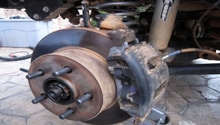
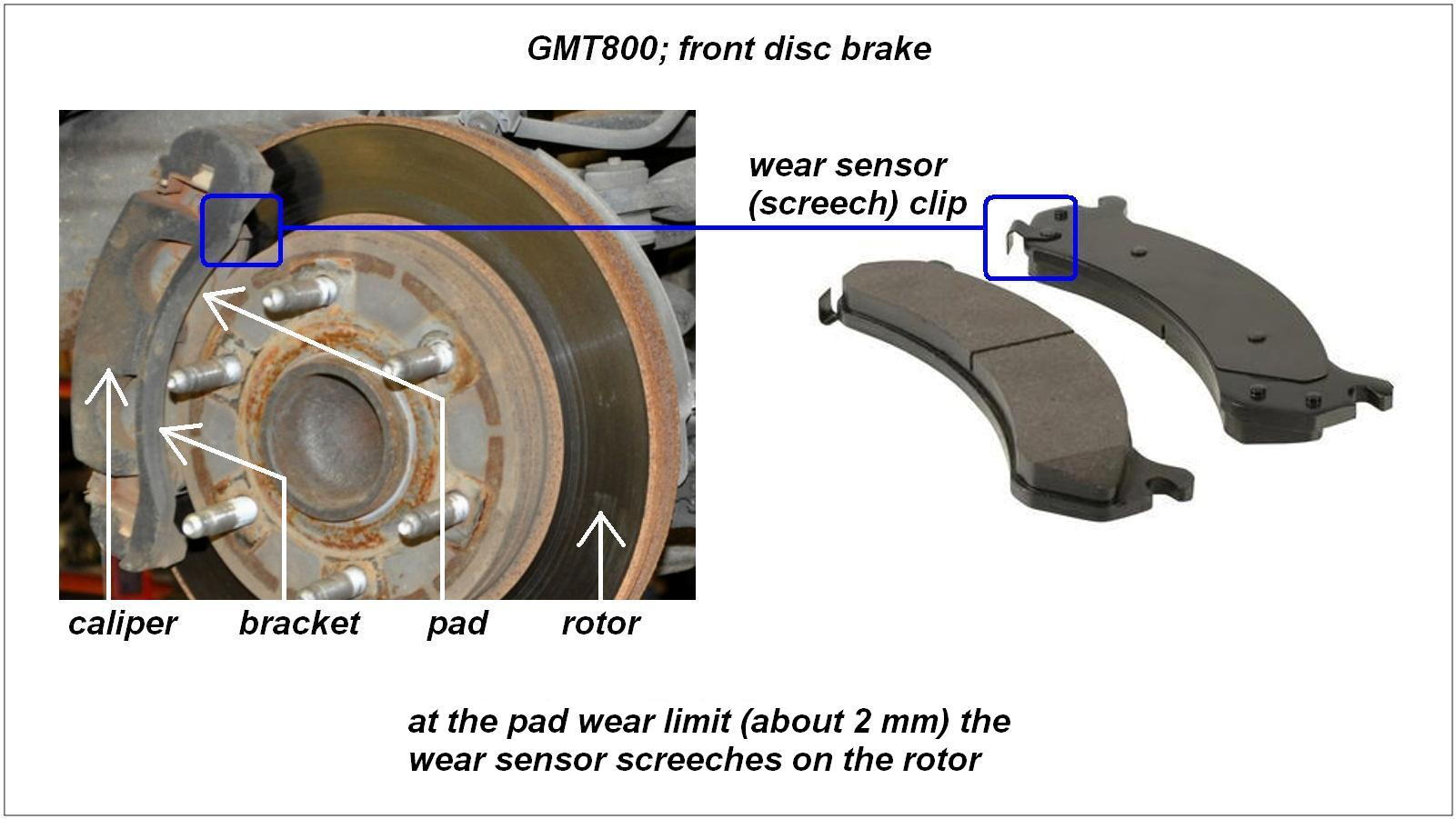
The brake pads are located inside the brake caliper and use friction to stop the brake rotor from spinning to slow you down. The more time and miles you drive you Jeep, the more the pads wear out until they reach an unsafe level and they start to squeak. Typical brake pad symptoms include decreased braking force, squeaks and squeals, lack of control of the brake pedal, etc. Here is how to diagnose your brake issue by inspecting the brake pad life in your Jeep:
- Use a floor jack to jack up the car and support it with jack stands.
- Remove the appropriate wheel.
- Remove the brake caliper and slide out the brake pads.
- Inspect brake pad and determine remaining productive life.
Step 3 – Check the brake rotors
They could be damaged.
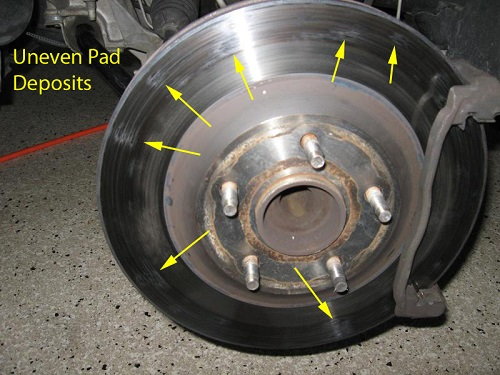
The brake rotors deal with lots of heat and friction on an everyday basis, so they tend to get worn out unevenly or get warped due to harsh conditions. If the rotor's surface isn't as smooth as possible or as thick if it needs to be, braking performance will be affected. Bad brake rotor symptoms include harsh grinding sounds, high pitched squeaks, poor braking performance, sudden loss of braking.
- Use a floor jack to jack up the car and support it with jack stands.
- Remove the appropriate wheel.
- Remove the brake caliper and slide out the brake pads.
- Remove brake rotor.
- Visit a repair or brake shop to have rotor dimensions checked, and possibly resurfaced.
Related Discussions
- Jeep Pulsating Brake Issues - CherokeeForum.com
- Brake Rubbing and Grinding - CherokeeForum.com
- Brake Problem - CherokeeForum.com
- Help Solve Brake/ABS Problem - CherokeeForum.com