Jeep Cherokee 1984-2001: Why is My Jeep Leaking Fuel?
A fuel leak is a hazard on the Jeep Cherokee. Be sure to diagnose it and fix it before driving anywhere. This article will show you how.
This article applies to the Jeep Cherokee XJ (1984-2001).
Gas prices might be plummeting, but that doesn't mean you have to put up with a fuel leak in your Jeep Cherokee. Fuel leaks are common problems that can come from a variety of different places and causes. The first step is to try and locate the source of the leak. With the car parked for a while, you should be able to get a rough idea of where the leak is coming from. This will help you narrow down the problem area. Regardless of where your leak is coming from, we're going to run down the different problem areas and show you how to fix them.

Materials Needed
- Flat head screwdriver
- Assorted wrench and socket sizes
- Petroleum jelly
- O-ring replacement
- Epoxy
Step 1 – Check your fuel line disconnects
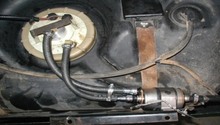
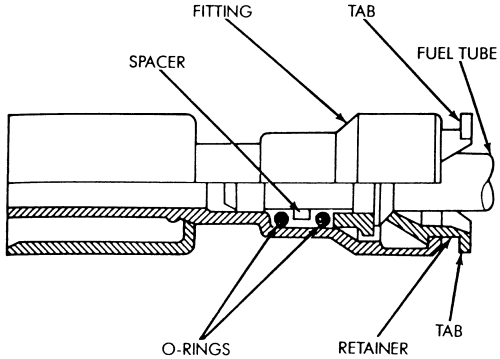
The O-rings in your fuel line disconnects that are connected to the fuel rails will wear out over time, especially if they are not lubed regularly. Lubing the O-rings with some petroleum jelly not only prevents contact damage, it also keeps them from drying out and cracking. If yours are already worn out, however, don't despair—you can pick up a new set for around $5 and they are easy to replace.
Step 2 – Check your fuel pressure regulator
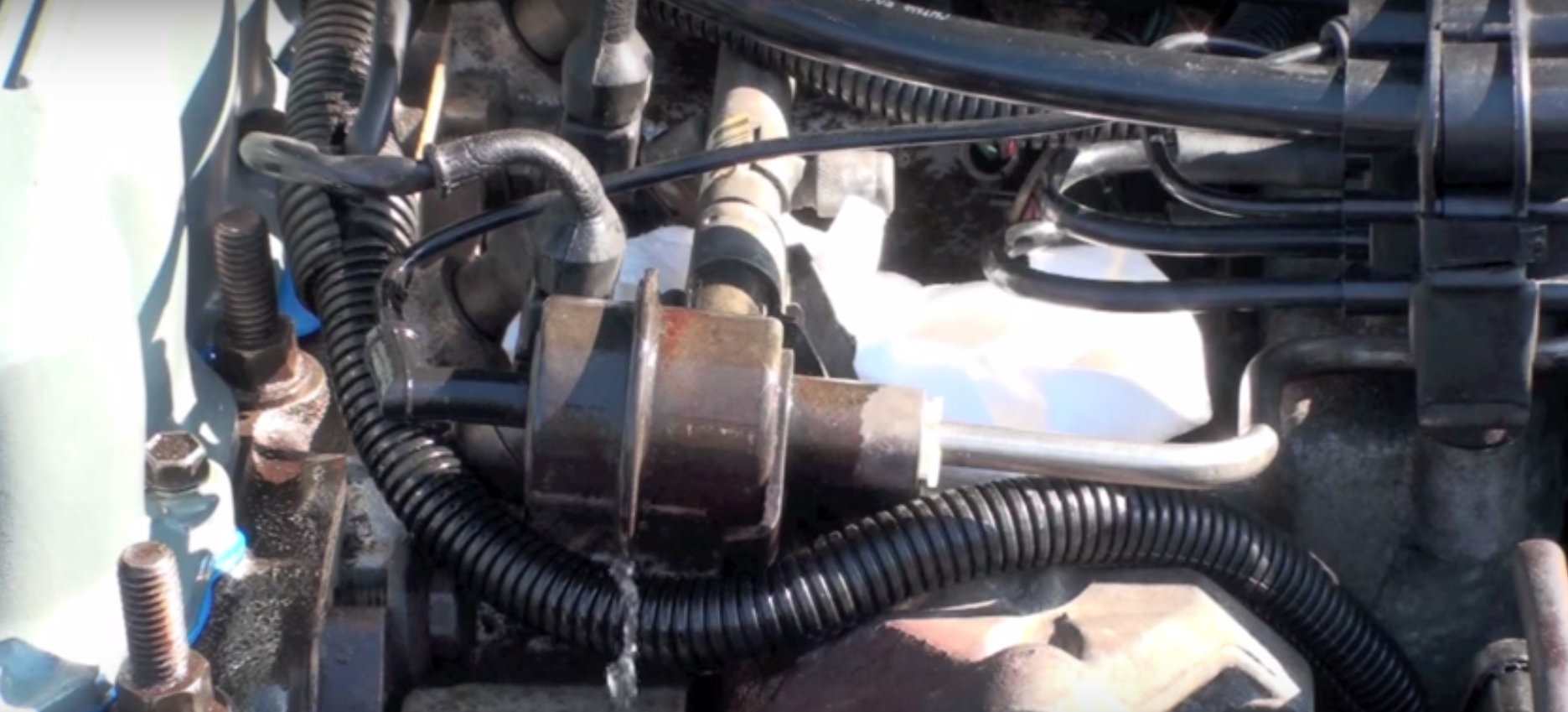
The fuel pressure regulator can lead to a bad gas smell inside the cabin, and once worn out, it will develop a pretty consistent leak. Sometimes, it will even flow gas out in a steady stream. These are available for around $60 and are easy to replace with some basic tools. Be sure and disconnect the negative (black) battery terminal first, and take the gas cap off to relieve any pressure in the system before removing the regulator.
Step 3 – Check your gas tank
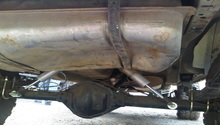
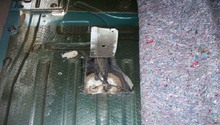
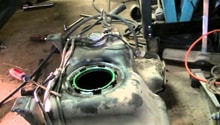
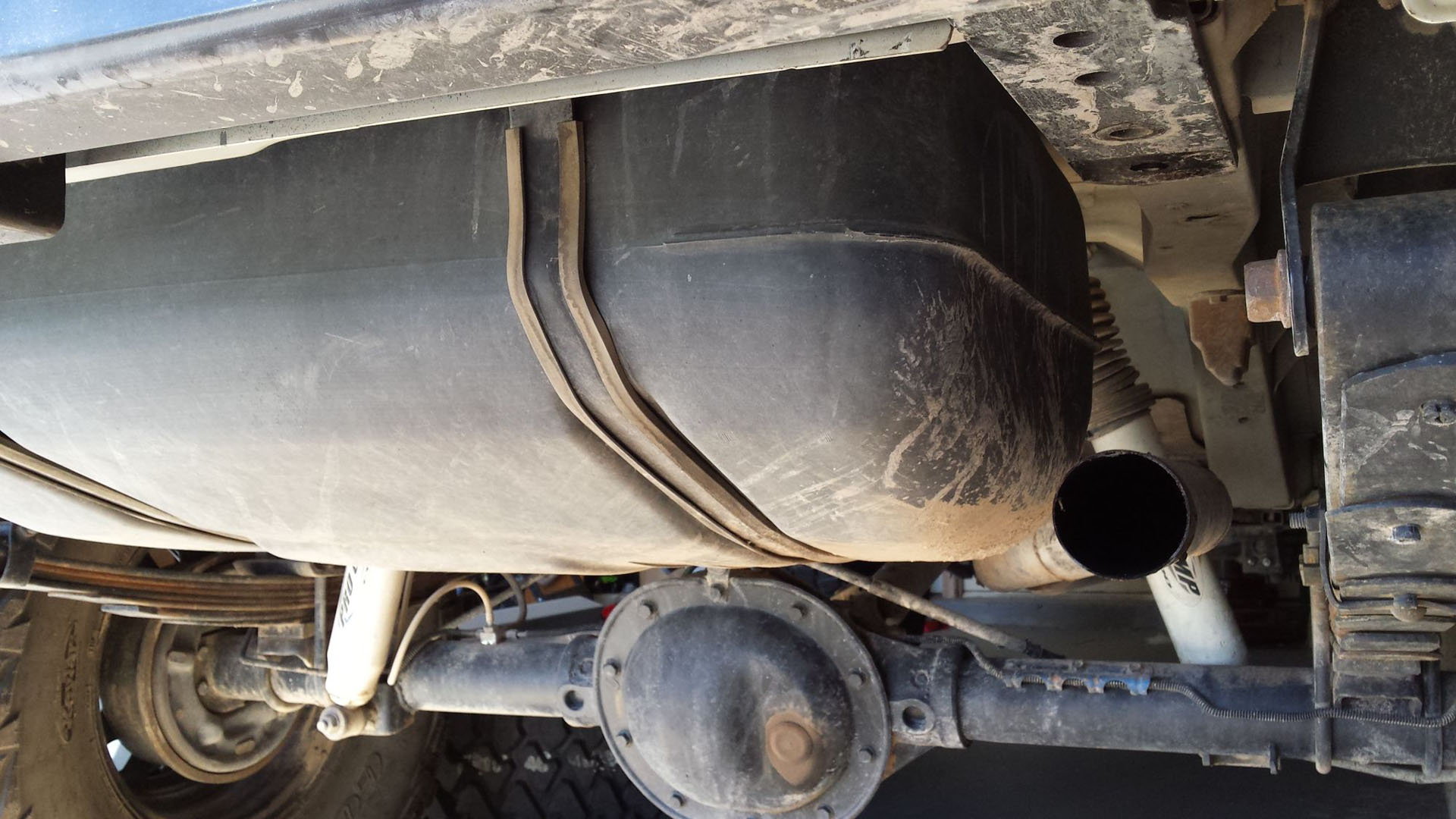
Leaks from the gas tank can typically be narrowed down to one specific problem area. Check around the gasket that seals the fuel pump to the tank, as this has been known to slip out of place and even fall in the gas tank. Also check the seal around the sending unit and the two small vapor lines that are mounted in grommets in the back of the tank. If the leak is coming from the tank itself, check to see if it is punctured or damaged. In this case it's best to take the tank to a professional, but you can fix it yourself with epoxy that is specifically made for sealing gas tanks.
Related Discussions
- Leaking Fuel Line Quick Disconnects - CherokeeForum.com
- Fuel Leak Fuel Pressure Regulator - CherokeeForum.com
- Fuel Tank Leaking - CherokeeForum.com