Jeep Cherokee 1984-2001: How to Prevent Carbon Buildup in Engine
Carbon buildup naturally occurs in engines when fuel is burned; however, several steps can be taken to minimize or reduce carbon deposit formation in your engine.
This article applies to the XJ Jeep Cherokee (1984-2001).
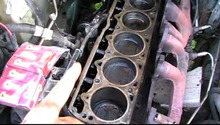
A natural byproduct of burned fuel is carbon. These carbon deposits have the potential to buildup on various engine components and cause driveability issues, poor engine performance, and reduced fuel economy. The areas that are typically affected by carbon buildup include the intake valves, combustion chambers, piston heads, and piston rings. Carbon buildup typically leads to an obstruction of the air-fuel mixture being drawn into the cylinder because the backside of the intake valves have excessive carbon deposits. Pre-ignition can also occur when carbon hot spots on the piston or in the combustion chamber prematurely ignite the air-fuel mixture. Carbon has been known to reduce the efficiency of the piston rings and lead to excessive engine oil consumption. Luckily, carbon buildup can be removed and future deposits prevented with a few simple steps. This article will outline a few tips and tricks to keep the XJ Jeep Cherokee free of carbon buildup.

Material Needed
- Commercially available fuel system treatment

Step 1 – Use quality gas
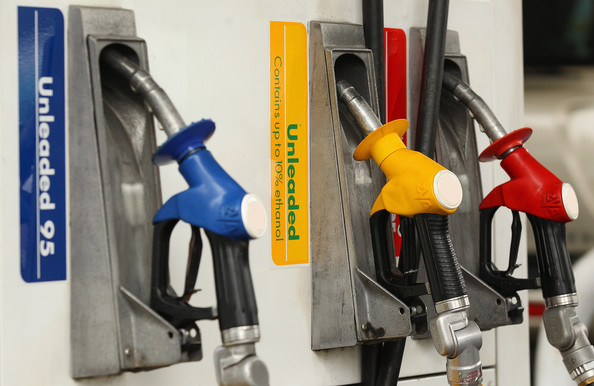
Individuals often overlook what gas they are putting in their vehicles. Most surveys show that car owners typically choose the cheapest fuel available to fill up their car. While this may keep a few extra dollars in your pocket, a poor quality fuel may not necessarily have the proper additives to keep your engine clean and free of carbon deposits. Although carbon buildup naturally occurs inside of gasoline engines, top tier gasoline manufacturers utilize a mix of additives and detergents to control carbon deposit formation on engine components. A lesser quality gasoline can allow for increased carbon buildup on the valves and inside of the combustion chamber, leading to reduced engine performance. While using a lower quality fuel is not the end of the world, owners should consider regular fuel system treatments to prevent carbon buildup from occurring (see Step 4). Keep in mind that all fuels are not created equally.
Step 2 – Avoid excessive idling/lugging the engine
While the choice of fuel plays a major role in the formation of carbon deposits, the way the vehicles is used can also contribute to carbon buildup. Excessive idling of the engine causes reduction in cylinder temperatures and can allow for incomplete combustion of the air-fuel mixture. Additionally, cars typically have a richer fuel mixture at idle, which can allow deposits to form on spark plugs and piston crowns. Lugging the engine, or running in too high of a gear for current road speeds, is especially hard on engine components and can allow for increased oil consumption as well as carbon buildup. A remedy is to not only prevent idling or lugging the engine, but to occasionally allow the engine to rev freely near redline to increase cylinder temperatures and burn off excessive carbon deposits in the combustion chamber. Freeway on-ramps are an opportune time to quickly accelerate up to speed and allow the engine rpms to increase.

Step 3 – Proper maintenance intervals
Proper maintenance intervals can play a factor in carbon buildup. For instance, engine oil breaks down over time and mileage, which become filled with contaminants and loses its viscosity rating. Left untreated, sludge deposits can form in the engine and prevent the piston oil rings from removing oil from the cylinder walls. This leftover oil will burn in the combustion chamber and lead to carbon formation. Similarly, an overly dirty air-filter element will reduce the flow of air to the engine and can alter the air-fuel mixture. An overly rich mixture can allow for carbon deposits on valves, combustion chambers, and on piston heads. Sticking to the recommended maintenance intervals outlined in the owner's manual will not only allow for proper engine performance, but will provide necessary engine protection as well.

Pro Tip
While many new oils are advertised as "extended life lubricants" that have extremely long drain intervals, most professionals agree that engine oil should be changed between 5,000 to 7,500 miles regardless of the vehicle or conditions in which it is operated.
Step 4 – Use a fuel system treatment
For an engine that already has carbon buildup on the valves and combustion chambers, a quality fuel system treatment specifically designed for heavy carbon deposit removal can be added to the fuel tank for a couple of successive gas fill-ups. These types of treatments will break down the carbon deposits as the engine is being operated and allow them to safely exit through the exhaust. Most professional mechanics recommend that the oil be changed after a fuel system treatment, as small amounts of cleaner may end up in the crankcase and subsequently the engine oil. To maintain a clean engine that is free of carbon deposits, a bottle of fuel system cleaner can be added every 3,000 miles or prior to each oil change. A regular cleaning will inhibit carbon deposits from forming, and keep fuel injectors clean as well as top-end components lubricated.

Related Discussions
- Seafoam Treatment - CherokeeForum.com
- Clean Engine Gunk and Carbon Buildup - CherokeeForum.com
- Sea Foam Question - CherokeeForum.com