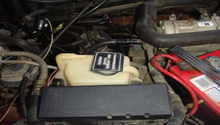
Jeep Cherokee 1984-2001: How to Stop Coolant Leak
To keep coolant from boiling, the cooling system has to be pressurized. This pressure can find its way out of any small opening in the Jeep Cherokee. Once a low coolant level is noticed due to a leak, be prepared to find the source of the leak before you continue driving the vehicle, or you can risk overheating your engine.
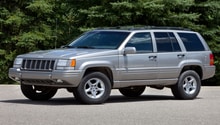
This article applies to the Jeep Cherokee XJ (1984-2001).
Coolant is used throughout the powertrain to regulate operating temperatures. Damage can occur to the engine very quickly once coolant temperatures reach over 250 degrees Fahrenheit. Because coolant is pressurized, it's able to stay liquid at higher than would otherwise be possible. This pressure quickly diminishes once a leak forms, and the system's coolant will begin to boil. Steam coming from the radiator cap is evidence that air has entered the system from an outside source.
Cooling system Stop Leak is sold at many auto parts stores as a quick fix product. Even though this may fix the leak, it's not recommended due to its thick consistency. Cooling water jackets throughout the engine are small and one area of clogged Stop Leak can cause serious engine damage.

Materials Needed
- Gloves
- Safety glasses
- Combustion gas leak detection kit
- Black light and fluorescent dye
- Cooling system pressure tester
- Epoxy glue
Never allow the coolant temperature to reach over 230 degrees Fahrenheit.
Step 1 – Find the coolant leak
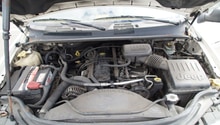
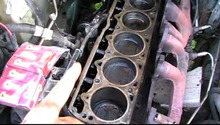
Coolant leaks come in two forms: internal and external. External leaks are the most common ones; they refer to any leak outside of the engine. Common locations of external leaks include hoses, the radiator, the heater core, and the water pump. Common locations of internal leaks include a crack in the cylinder head or a broken cylinder head gasket.
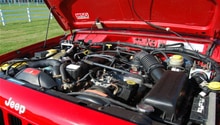
Examine above and below the engine for leaking coolant while the engine is off and running. If the leak is difficult to find, fluorescent dye can be added to the cooling system. A black light can then be used, which makes the dye glow.
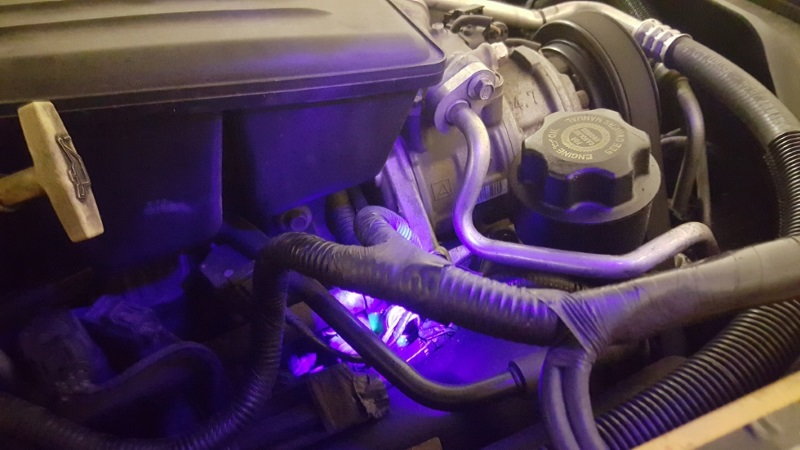
Step 2 – Pressure test the cooling system
Look on top of the radiator cap for its rated pressure level. Remove the cap and install the pressure tester. Pressurize the system to just above the cap's rated pressure. The pressure level should hold for several minutes to confirm no leak is present. Search for coolant leaks once again while constant pressure is applied to the system.
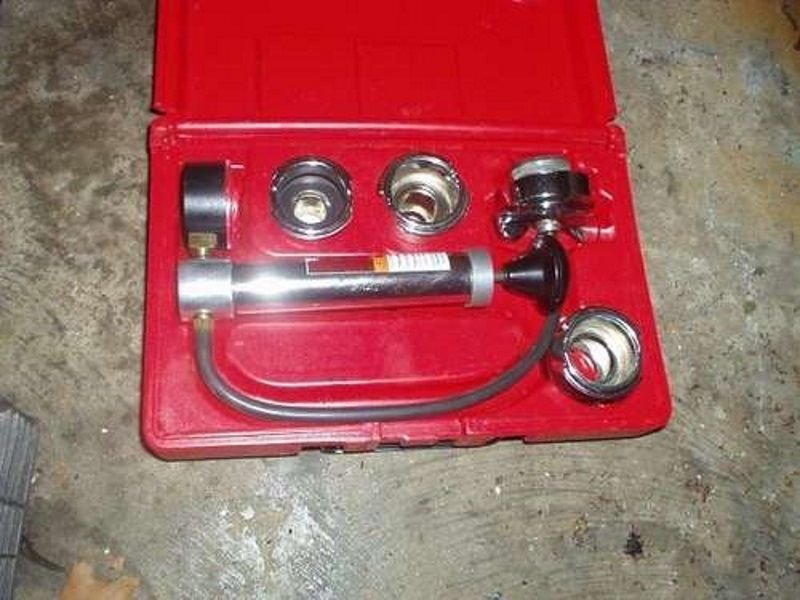
Step 3 – Check for coolant in the oil and oil in the coolant
Remove both the radiator cap and engine oil cap. Look on the cap and the fluids for any unusual coloring. When coolant mixes with oil, a brown substance forms that resembles chocolate milk.
Remove the dipstick and drop some oil onto a hot exhaust manifold. If the oil bubbles, coolant is present.
A combustion gas leak tester can be used to detect the presence of combustion gases in the cooling system. If the leak tester you're using is of the liquid type, add the fluid to the fill mark in the tube and place it onto the radiator opening. If the color changes, your engine will need to be disassembled for inspection. If a large leak is present, bubbles may be seen while looking into the radiator as pressure escapes the cooling system.

Step 4 – Repair the coolant leak
If you've found your radiator to be the cause of your leak, you have two options: copper and brass radiators (sometimes found on older Cherokees) can be soldered, while aluminum radiators can be sealed using Epoxy glue.
Replace broken coolant hoses with new versions that meet the manufacturer's recommendations. Replace the hose clamps with new worm gear type clamps.
Heater cores are difficult to replace, requiring removal of the dashboard for access. If you've found yours leaking, it can be replaced with a copper/brass aftermarket unit that should ensure years of trouble free use.
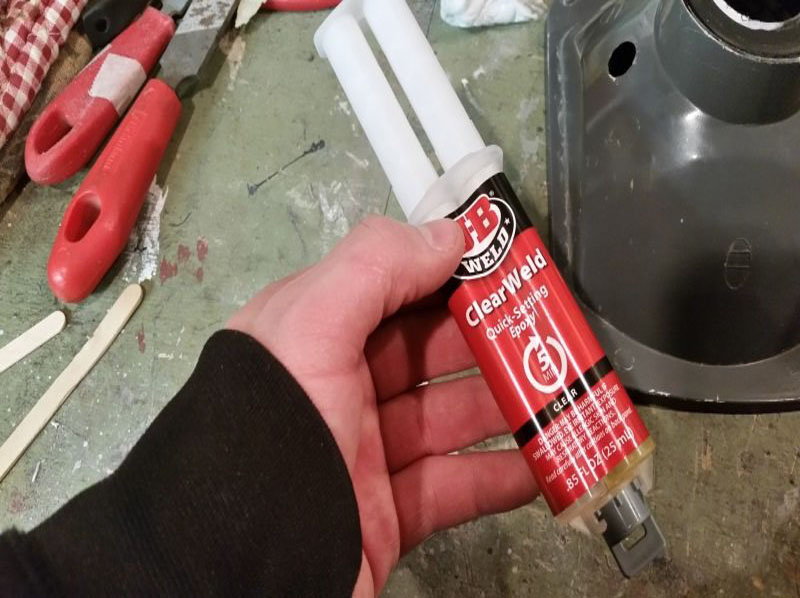
Figure 4. Multi purpose epoxy. 
Figure 5. You can see the rust forming where coolant is leaking out of the radiator.
Featured Video: How to Fix a Radiator
Related Discussions and Video
- Stop Leak - CherokeeForum.com
- Why is My Car Leaking? - CherokeeForum.com
- Jeep Mysterious Coolant Leak - YouTube.com