Jeep Cherokee 1984-2001: How to Maximize Your MPG
A lot of factors determine how much gas mileage your Jeep Cherokee XJ can achieve in the city and on the highway. Read on to discover the best ways to maximize your MPG.
This article applies to the Jeep Cherokee XJ (1984-2001).
Let's face it. We all want to catch a break at the pump. We want to spend less money and make fewer stops refueling, and we want to be sure we're getting the best gas mileage possible. While not all vehicles offer good fuel economy, many do. The Jeep Cherokee XJ is one such vehicle. This reliable vehicle offers competitive miles per gallon (MPG) rating. However, you can stretch the number of miles you're able to travel before needing to refuel by following a few simple tips. These tips will become especially important as more and more wear happens to your major systems, and fuel economy starts to drop.
Materials Needed
- Lift kit removal tools (optional)
Step 1 – Basic gas mileage tips
Reduce the amount of gas you use by following these simple tips:
- Keep your fluids clean and topped off, as well as all your major systems in good working order.
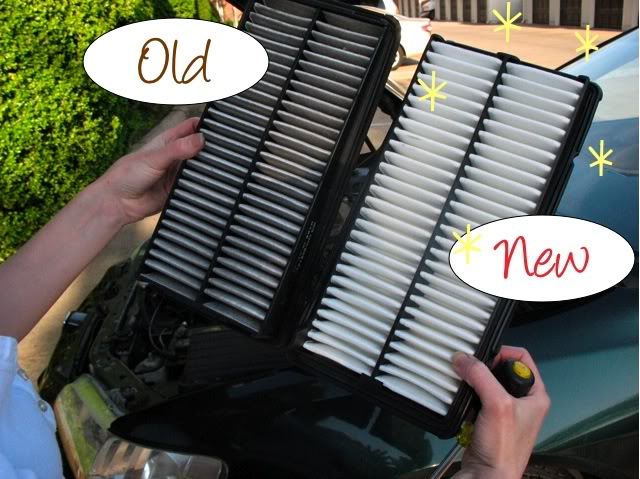
- Replace your air filter every 30k to 45k miles.
- Avoid stop-and-go traffic.
- Follow your regular maintenance schedule.
Pro Tip
If your Jeep is in especially bad condition and in need of some major repairs, you might want to consider upgrading to a newer generation Jeep. You could save big on insurance and fuel costs by going this route.
Step 2 – Replace fuel injector
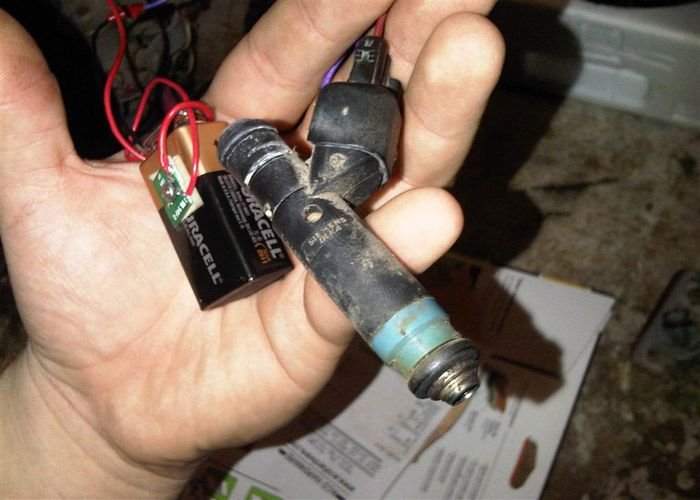
Dirty, clogged fuel injectors are one of the main culprits behind poor, lagging fuel economy. Have your fuel injectors cleaned at a local fuel injector service center for around $100-$140 (prices vary and online services are also available). It's highly recommended that you choose a service center that will ultrasonically clean your fuel injectors, as well as replace your old, worn O-rings, as part of their service package.
Pro Tip
As a general rule of thumb, it's recommended that you have your fuel injectors cleaned every 45,000 miles; however, don't let your Jeep go more than 60,000 miles before having your fuel injectors cleaned. If they are damaged, you'll need to have them replaced.
Step 3 – Consider removing lift kit
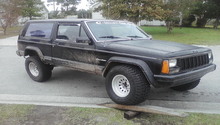
While lifts remain hugely popular with Jeep owners, they can seriously drag down your fuel economy. Consider removing the coil spaces one by one to lower your Jeep's ride height back to its original length. To do this you'll need basic tools, such as a lug nut wrench, coil compressors, and a jack.
Pro Tip
If your lift kit was professionally installed, it's recommended that you have it professional removed.
Step 4 – Upgrade exhaust system
Upgrading your exhaust system is an easy and popular way to maximize your MPG; however, this upgrade does not come cheap. For a new muffler, you'd be looking at a bill of around $100; however, for a complete replacement/upgrade of your entire exhaust system, you will be looking at a cost of $1,500+.
- Invest in a performance exhaust system to increase your engine's power and improve MPG.
- Have a professional mechanic install your new exhaust system, if you are not skilled in this area.
- Expect to pay a little more for higher performance gains.
- Magnaflow is the go-to brand for the Jeep Cherokee.

Pro Tip
Upgrading your exhaust system is a costly repair, so do your homework before signing on the dotted line.
Related Discussion
- Best Upgrades Your XJ - CherokeeForum.com