Jeep Cherokee 1984-2001: How to Flush Your Cooling System
Coolant is comprised of various additives that provide protection to the engine and cooling system components. Unfortunately, as the coolant ages, many of its protective properties are lost, leaving your engine and cooling system susceptible to corrosion.
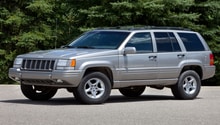
This article applies to the Jeep Cherokee XJ (1984-2001).
Engine coolant is an often overlooked maintenance item that can lead to costly repairs if not regularly serviced. Modern coolants have a variety of additives that help keep the engine cool via heat transfer, prevent freezing during cold winter months, and protect the cooling system from rust and corrosion. Most coolants have a service life of 50,000 to 100,000 miles, or every two to three years. As coolant ages, it begins to break down, and the additive package becomes less effective. In turn, the coolant pH levels will drop, and the metals in the cooling system will be at risk of corroding. Additionally, the freeze protection of the coolant will be reduced if the mixing ratio has changed over the coolant's service life. A biennial coolant flush can ensure that the engine and cooling system components have adequate freeze and corrosion protection. This article will outline the steps involved in flushing the cooling system on XJ Jeep Cherokee models.
Materials Needed
- Phillips screwdriver
- Catch pan
- Vinyl hose
- Funnel
- Distilled water (6-8 gallons)
- New anti-freeze coolant (2 gallons - Straight/Undiluted)
- Turkey baster or syringe (optional)
Warning
Before attempting to flush the cooling system, make sure the engine is cool to the touch. A hot engine will have extremely hot coolant that can cause serious injury if it comes in contact with your skin.
Step 1 – Remove headlight and grille
To access the radiator drain cock and drain the old coolant from the cooling system, the headlight bezels and grille must be removed.
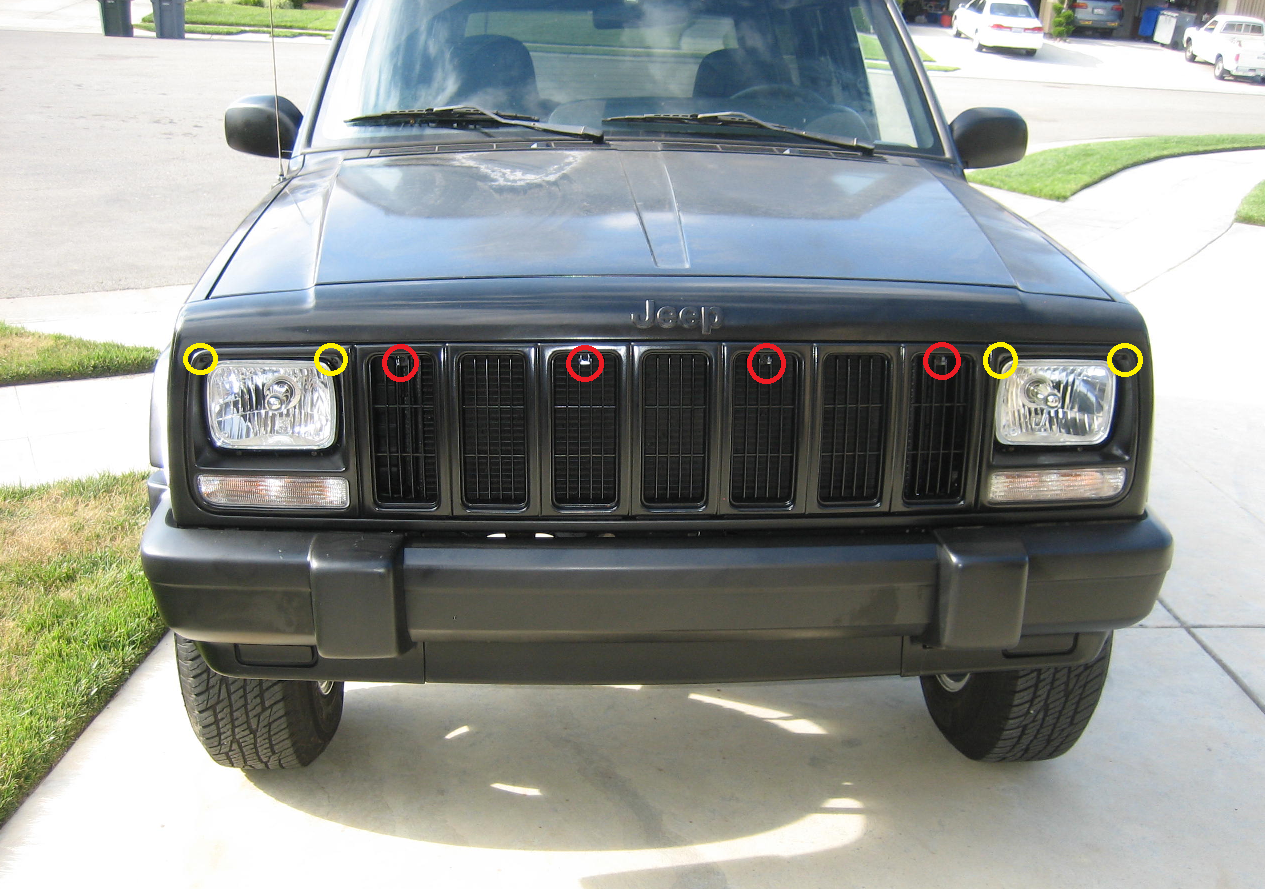
- Depending on the year and model, the headlight bezels have two to four Phillips screws securing them in place. The 1997 to 2001 models have two screws at the top of the bezel and plastic retaining clips at the bottom. The 1996 and earlier models have two screws on the front side of the bezel and two additional screws through the amber marker lights. With the screws removed, the bezels can be taken out and set aside.
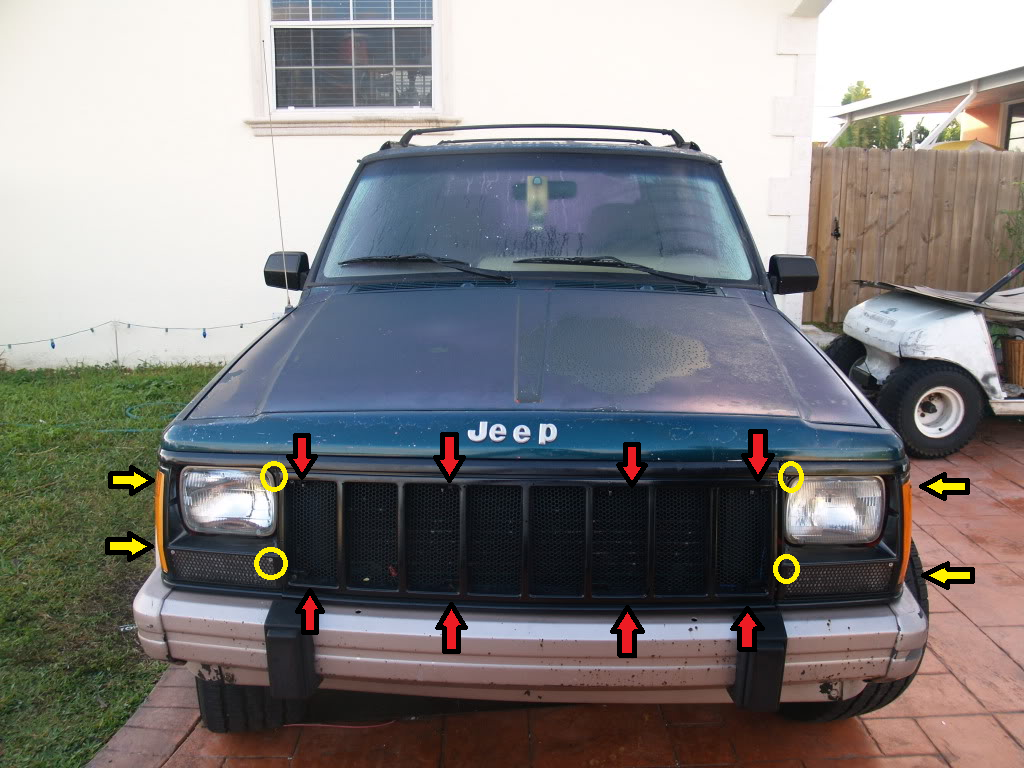
- With the bezels removed, remove the grille screws and remove the grille from the car. The 1997 to 2001 models have four Phillips screws across the topside of the grille with plastic clips along the bottom, whereas the 1996 and earlier models have a total of eight screws spread across the top and bottom of the grille.
Step 2 – Drain coolant
With the grille removed, the old coolant can be drained from the radiator.
- Remove the radiator cap.
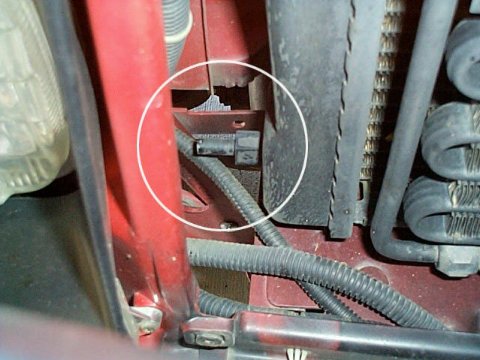
- Locate the radiator drain cock on the passenger side of the radiator. With a suitable catch pan in place, open the drain cock and catch the emerging coolant. If desired, a piece of vinyl hose can be placed over the drain cock to help direct coolant into your catch pan.
- When the coolant is finished draining, tighten the drain cock.
- It is also recommended that the coolant overflow tank be drained. This can either be accomplished by sucking the coolant out with a turkey baster/syringe, or by simply removing the tank strap and dumping the coolant from the tank.
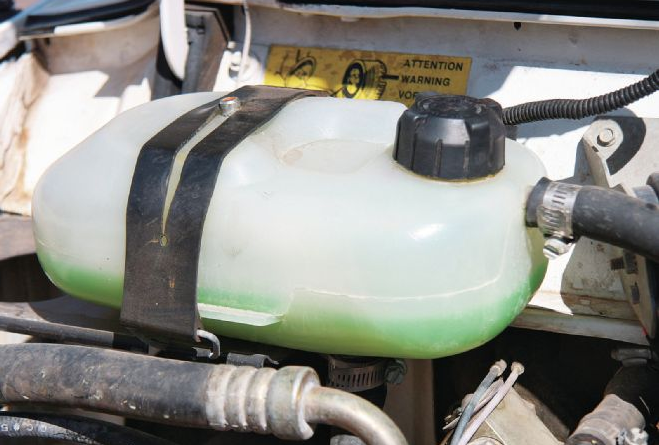
Figure 4. Coolant overflow tank.
Pro Tip
Some individuals opt to leave the grille in place and drain the radiator by removing the lower radiator hose. While this may be a quicker way to drain the coolant, it can also be quite messy.
Step 3 – Fill with distilled water
After the cooling system has drained, it is now ready to be flushed.
- Fill the radiator with distilled water until full. Distilled water is preferred over tap water as it does not contain ions or minerals, which can be corrosive to the engine and cooling system components. Leave the radiator cap off after filling.
- Start the engine, turn on the heater, and let it run for approximately five to ten minutes to allow the water to circulate through the cooling system. Inspect the water level at the radiator neck and add water if it is low.
- After running the engine for the appropriate amount of time, shut the engine off and allow it to cool down.
- When the engine is cooled, drain the coolant as previously completed in Step 2.
- The cooling system should be filled and flushed an additional two to three times until the water is clean and free of old coolant.

Pro Tip
For extremely dirty or corroded cooling systems, a commercially available coolant flush additive can be used to breakdown and flush out rust and corrosion.
Step 4 – Fill with new coolant
When the flushed water is clear, fill the system with new coolant.
- Even after draining the cooling system, there will be some residual distilled water left in the engine block. For this reason, you want to be sure to use straight/undiluted anti-freeze coolant to fill the radiator. Avoid pre-diluted 50/50 coolant.
- The XJ Cherokee cooling system capacity is approximately three gallons. Fill the radiator with 1.5 gallons of straight coolant. Any additional space can be filled with clean distilled water. Be sure to fill the overflow tank to the cold fill line as well.
- With the radiator cap off, the engine can be started once again to allow any residual air bubbles trapped in the system to "burp" into the atmosphere. If the coolant level drops while the engine is running, top it off with distilled water and reinstall the radiator cap.
- It is recommended that the coolant level be inspected and topped off as necessary after a few days of driving.
- Be sure to properly dispose of the drained coolant. It cannot be poured down the drain as it is hazardous and should be taken to a nearby drop-off facility. Nearly all auto parts stores will accept used coolant.

Pro Tip
If overheating symptoms arise, it is possible that air can still be trapped inside of the cooling system. Removing the temperature sensor at the back of the cylinder head and running the engine for a short time can help bleed the system of any residual air.
Related Discussions
- Radiator Flush - CherokeeForum.com
- How To Flush Radiator? - CherokeeForum.com
- Cooling/Radiator Flushing Question - CherokeeForum.com