When you click on links to various merchants on this site and make a purchase, this can result in this site earning a commission. Affiliate programs and affiliations include, but are not limited to, the eBay Partner Network.
Stock XJ Cherokee Tech. All XJ Non-modified/stock questions go hereXJ (84-01)
All OEM related XJ specific tech. Examples, no start, general maintenance or anything that's stock.
I started having issues since I dropped my fuel tank and put in a new Carter fuel pump assembly. At first the new pump seemed to be working great. Seems like the problem started when the Jeep wouldn't start up on the first try. Knowing the battery was at the end of it's life, I assumed that was the problem and replaced it along with the cables. After that replacement I've still had to prime the system and the engine wont start up until the 2nd, 3rd or 4th try (and recently, sometimes not at all). It smells like it's been running rich and I've got P0171: "System too lean" and 1494: "Leak detection pump switch or mechanical failure" error codes. (Recently replaced the EVAP purge solenoid and all the rubber elbows to pass smog, so I'm not sure if the second one is related.)
Sometimes the Jeep will drive fine—usually first thing in the morning. After that it all goes downhill: on acceleration, the engine starts to sputter and feels like it's about to stall, I get no power and sometimes it will suddenly lurch forward. I started getting P0300: "Random/multiple cylinder misfire detected" codes, especially when idling in traffic. Had to get towed home the last time after I stalled at a stop sign.
I went out and rented a fuel pressure test gauge to get a better idea of what's going on.
1st test of fuel pressure:
Primed the fuel rail by turning the jeep on and off: got about 10psi
Shorted the fuel pump relay with a piece of wire: got about 20psi
Turned the engine over: ~30psi
Foot on the gas: drops to 20psi
Turn the Jeep off: pressure drops to 0 immediately
Test to see if fuel pressure leak is in the back of the system by clamping off the fuel hose that connects to the front of the fuel rail: same thing, drops off immediately
Thinking the relay might be part of the problem, I went out and got a new one. After installing it and testing again, I got:
Prime with keys in the ignition: less than 10psi
Prime by shorting the pump relay: about 10psi
Trying to start it up: almost no pressure (<10psi), starts up and immediately dies
Before I started with the fuel pressure tests, I thought the check valve in the fuel pump assembly was probably bad, but now I'm scratching my head since it doesn't hold any pressure, primes better by shorting the relay, and gets progressively worse the more I try to start her up. I'm not really sure what to test next: fuel pressure further down the line? check the voltage at the plug for the pump? Any suggestions would be greatly appreciated.
Last edited by coffeeCola; Mar 13, 2019 at 07:08 PM.
I went out and rented a fuel pressure test gauge to get a better idea of what's going on.
1st test of fuel pressure:
Primed the fuel rail by turning the jeep on and off: got about 10psi
Shorted the fuel pump relay with a piece of wire: got about 20psi
Turned the engine over: ~30psi
Foot on the gas: drops to 20psi
Turn the Jeep off: pressure drops to 0 immediately
Test to see if fuel pressure leak is in the back of the system by clamping off the fuel hose that connects to the front of the fuel rail: same thing, drops off immediately.
How are the fuel injectors? Have you ever run cleaner thru them? What are the voltages of the wires to the pump?
I don't think the injectors have ever been professionally cleaned. I ran some cleaner through the fuel system about this time last year. I've had pulling them out and either getting them professionally cleaned or replacing them with new ones on my laundry list.
I'm a little out of my depth with how to test the voltage. What's the procedure? Is it just attaching the test leads of a voltmeter to the positive and negative wires to see if there is a significant difference to the battery voltage when I turn the key?
Couldn't voltage drop make the pump perform poorly? It's under warranty, but I want to make sure it's a dud before I go through the trouble of dropping the tank to take it out and put in a new one.
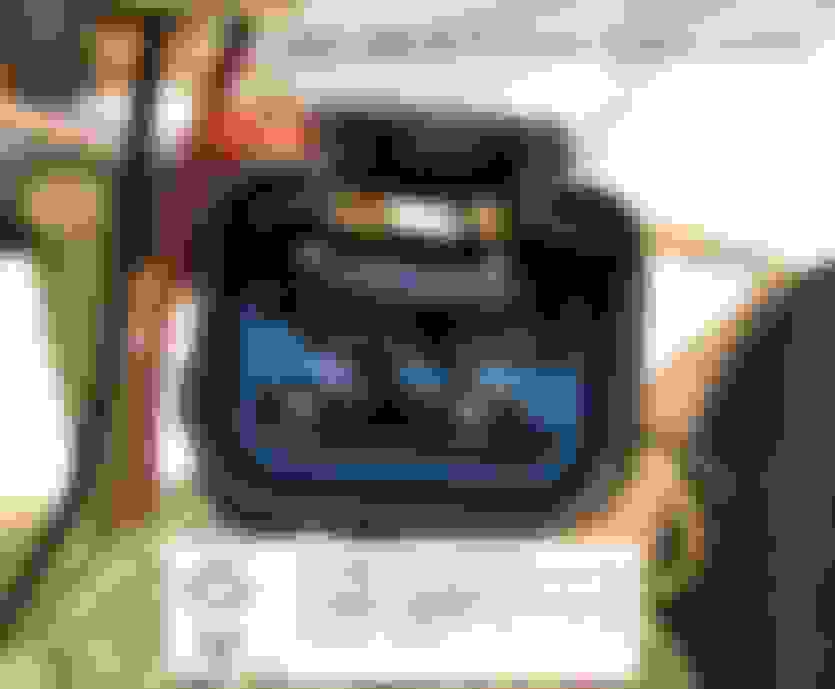
I tried testing the voltage on the fuel pump harness using the below photo/diagram I found over on this thread (Cherokee Forums – Low Fuel Pressure plus p0122 code). I attached the positive lead to a safety pin I stuffed in the the back of Pin Cavity 1 and then attached the negative lead to the undercarriage, but couldn't come up with anything on the multimeter when I shorted the relay. Thinking maybe I didn't get a good enough ground.
Couldn't voltage drop make the pump perform poorly? It's under warranty, but I want to make sure it's a dud before I go through the trouble of dropping the tank to take it out and put in a new one.
I tried testing the voltage on the fuel pump harness using the below photo/diagram I found over on this thread (Cherokee Forums – Low Fuel Pressure plus p0122 code). I attached the positive lead to a safety pin I stuffed in the the back of Pin Cavity 1 and then attached the negative lead to the undercarriage, but couldn't come up with anything on the multimeter when I shorted the relay. Thinking maybe I didn't get a good enough ground.
Just shove your tips from your multimeter into cavities 1 & 6 according to hat image and use the absolute value of voltage. Post that.
Yes, underpowered pumps produce less pressure at the rail and push less volume thru the lines.
In case anyone else with the same issue stumbles on this thread, replacing the fuel pump fixed this issue.
The 2nd Carter fuel pump that came as a warranty replacement isn't reading the fuel level, but at least it's holding pressure.
In case anyone else with the same issue stumbles on this thread, replacing the fuel pump fixed this issue.
The 2nd Carter fuel pump that came as a warranty replacement isn't reading the fuel level, but at least it's holding pressure.
Guess that means avoid Carter pumps. Also thanks for the follow up.



 Trouble pinpointing 99 XJ Fuel System Issues