When you click on links to various merchants on this site and make a purchase, this can result in this site earning a commission. Affiliate programs and affiliations include, but are not limited to, the eBay Partner Network.
Stock XJ Cherokee Tech. All XJ Non-modified/stock questions go hereXJ (84-01)
All OEM related XJ specific tech. Examples, no start, general maintenance or anything that's stock.
* master cylinder
* brake booster
* prop valve
* rotors, calipers, pads
* knuckles
* front axles shafts & u-joints (Yukon for Dana 30)
* brake hoses
* abs tone rings and wheel sensors
Does it make sense to replace the master cylinder / booster before doing all the wheel work or the other way around?
After I'm all finished will I need to bleed the rear drums too? I can't replace the hardware on them just yet.
Why all the replacement parts?
You might be opening up a can of worms if something isn't quite right as you try & figure out what's causing the problem. I'd recommend putting in "New" parts as to rebuild parts. In working automotive, I've seen ALOT more jobs getting done two & three times over, when using rebuild stuff that carries fluid under pressure.
Yes, you will need to bleed the rear brakes.
Once you do the rear brakes, if you replace the rear wheel cylinders or replace the rear brake hose, you will then need to bleed all 4 brake corners again. If you read around on the internet, you will find the correct procedure to bleed the brakes on a XJ.
You might be opening up a can of worms if something isn't quite right as you try & figure out what's causing the problem. I'd recommend putting in "New" parts as to rebuild parts. In working automotive, I've seen ALOT more jobs getting done two & three times over, when using rebuild stuff that carries fluid under pressure.
Thanks! All these parts are new, nothing is reman'd. I've never done brakes before, figured I'd start with Discs and everything under the hood first since I've heard Drums are more difficult. All my brake stuff looks old or likely original, it's 23 years old, figured it was time to replace this stuff. The XJ is running great but I can tell the brakes are squishy and all the hardware is very old.
There really isn't any major problem I'm trying to solve here, just thinking about knocking all this out at once and learning how to do it.
The ABS light will come on sometimes if I hit a big bump or if the XJ has been sitting a while (like 2 weeks), I'm hoping replacing the tone rings and sensors might resolve that but it isn't a big deal.
I had both of my jeeps...92 and 01 for 20 + years each. Never had any issues with the booster, master cyl, or the proportioning valve. Your flex lines definitely need replacing and the factory steel lines are probably pretty rusted. I would worry about them more than the 3 above. Spray down with penetrant all the hard line connections or they will twist then trying to loosen. I see your in Utah, getting kind of late in the year to do this outside, it will take a couple of days...you have a garage?
I had both of my jeeps...92 and 01 for 20 + years each. Never had any issues with the booster, master cyl, or the proportioning valve. Your flex lines definitely need replacing and the factory steel lines are probably pretty rusted. I would worry about them more than the 3 above. Spray down with penetrant all the hard line connections or they will twist then trying to loosen. I see your in Utah, getting kind of late in the year to do this outside, it will take a couple of days...you have a garage?
Glad your parts lasted for you. Yep, I'm replacing the lines too. I've got a garage.
This will be interesting. Been working on cars for almost 30 years, and never have I replaced all that you are replacing in one sitting. Let alone, my first time out.
* master cylinder * brake booster * prop valve * rotors, calipers, pads * knuckles * front axles shafts & u-joints (Yukon for Dana 30) * brake hoses * abs tone rings and wheel sensors
I... wouldn't do all this work just because. If your brakes are "squishy" I would check to make sure you have plenty of pad/rotor shoe/drum left and the rears are adjusted correctly (poorly adjusted rear drums will give a bad brake feel for sure), if you do not, replace those, if you do, or after you replace them, then I would just bleed the brakes really well. use a turkey baster to suck out all the old fluid from the brake master, then fill it with fresh fluid. Then open your bleed valves, and just let it flow through, keeping the master filled up. Once it runs clear (front and back), Then I would make sure it's free of bubbles by having somebody pump the brakes, hold, and while they are holding you open the bleeder valve. This will take a couple of bottles of brake fluid, but you should be replacing brake fluid every few years anyways, and it's cheap.
For the axle shafts, unless yours show serious rust, or you do serious off roading, i would skip, what you have is plenty strong. ujoints are not a terrible idea, but unless they've gone bad, you're probably OK till they start clicking/have play.
Soft brake lines can be a good thing to replace, but unless they show serious wear/dry rot, or unless you're going for a lift kit and need them extended... I wouldn't bother.
Drum brakes are not "harder" per say, other than I hate the ****ing springs, Do one side at a time, and take a picture before you take them apart, so you know how they go back together.
Well, go ahead and have a laugh at my expense I misread 155 in/lbs as ft/lbs and broke my new booster just as I was finishing up this job. That was an expensive and annoying mistake.
Otherwise, it's been a fun job. I was hoping to finish up today and was installing the master cylinder (after bench bleeding it) when I cranked the nut way too hard lol.
Glad I went ahead and did the shafts -- both were rusted pretty bad all the way around



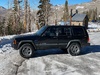


 Redoing all front Brakes and have some questions


 This will be interesting. Been working on cars for almost 30 years, and never have I replaced all that you are replacing in one sitting. Let alone, my first time out.
 I misread 155 in/lbs as ft/lbs and broke my new booster just as I was finishing up this job. That was an expensive and annoying mistake.


