When you click on links to various merchants on this site and make a purchase, this can result in this site earning a commission. Affiliate programs and affiliations include, but are not limited to, the eBay Partner Network.
Stock XJ Cherokee Tech. All XJ Non-modified/stock questions go hereXJ (84-01)
All OEM related XJ specific tech. Examples, no start, general maintenance or anything that's stock.
I replaced my AC compressor with a new one and I think I may have overheated it.
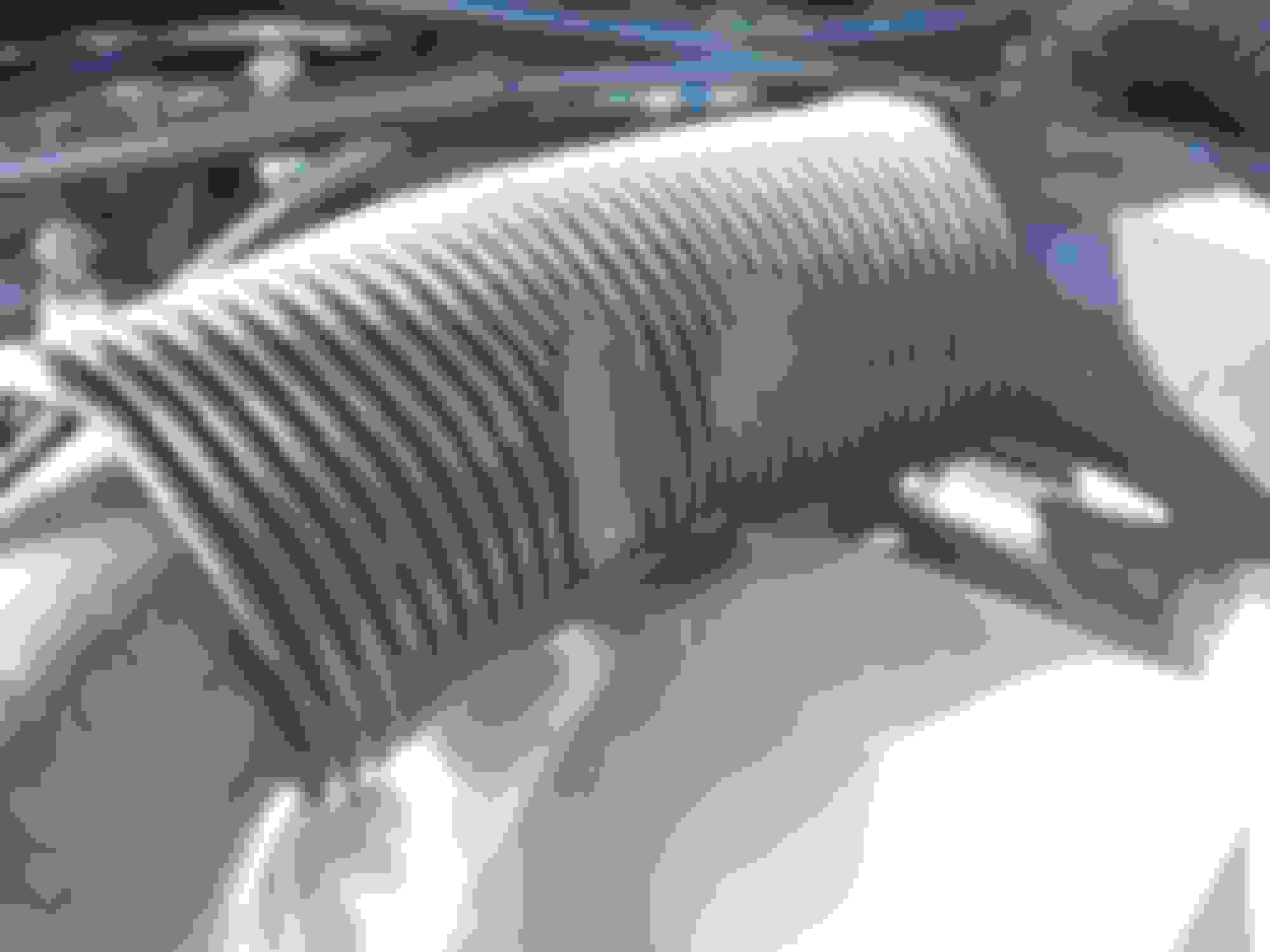
The compressor and all the hard lines got so hot they melted the corrugated plastic hose guards for the coolant line that sits on top of the compressor. Uh oh.
I was in a rush to get home, so I had swapped the compressor and replaced the o ring seals for the lines.
I didn't replace the drier, which had been replaced before to fix a leak. I had the system exposed for 2 days (towels in lines, but not air tight). The FSM says that PAG oil cannot be exposed to air for very long, similar to brake fluid. Also, i assume the desiccant in the drier was compromised from being exposed as well. Could this have been the reason?
The NOS compressor came with PAG oil in it, which I matched to the levels of the existing working compressor.
When I replaced the drier, i didnt add the low refrigerant pressure switch (low pressure for 2.5l, high pressure switch for 4.0l. They do the same thing) because it didnt arrive in time.
The system was professionally vactuated and filled. The AC worked fantastic half the drive home, but then suddenly blew out both rubber lines from their crimped fittings and sprayed refrigerant all over the engine bay.
I shut it down and ziptied some rags to the ports and hoses to make it back.
So my question is:
- Did my compressor overheat to the point of needing to be replaced?
- Or can I replace everything else and recharge the system and be fine?
I have a new drier, low pressure switch, and o rings.
You probably overcharged it. The higher the pressures the hotter the lines get. Does your system have a TXV on the firewall?
I had called the shop that had filled it for me, and they said they filled it correctly. Doesnt prove anything really. Especially now they are several states away.
They always messed up every vehicle I took to them for my companies fleet maintenance. More than likely overcharged. Very frustrating.
What os the TXV?
It's a 93, so it has the inverted GM unit on the firewall.
Last edited by Ad-HocXJ; May 24, 2021 at 09:21 AM.
Engine: 4.3L with headers and full 3" exhaust system
Originally Posted by Ad-HocXJ
I had called the shop that had filled it for me, and they said they filled it correctly. Doesnt prove anything really. Especially now they are several states away.
They always messed up every vehicle I took to them for my companies fleet maintenance. More than likely overcharged. Very frustrating.
What os the TXV?
It's a 93, so it has the inverted GM unit on the firewall.
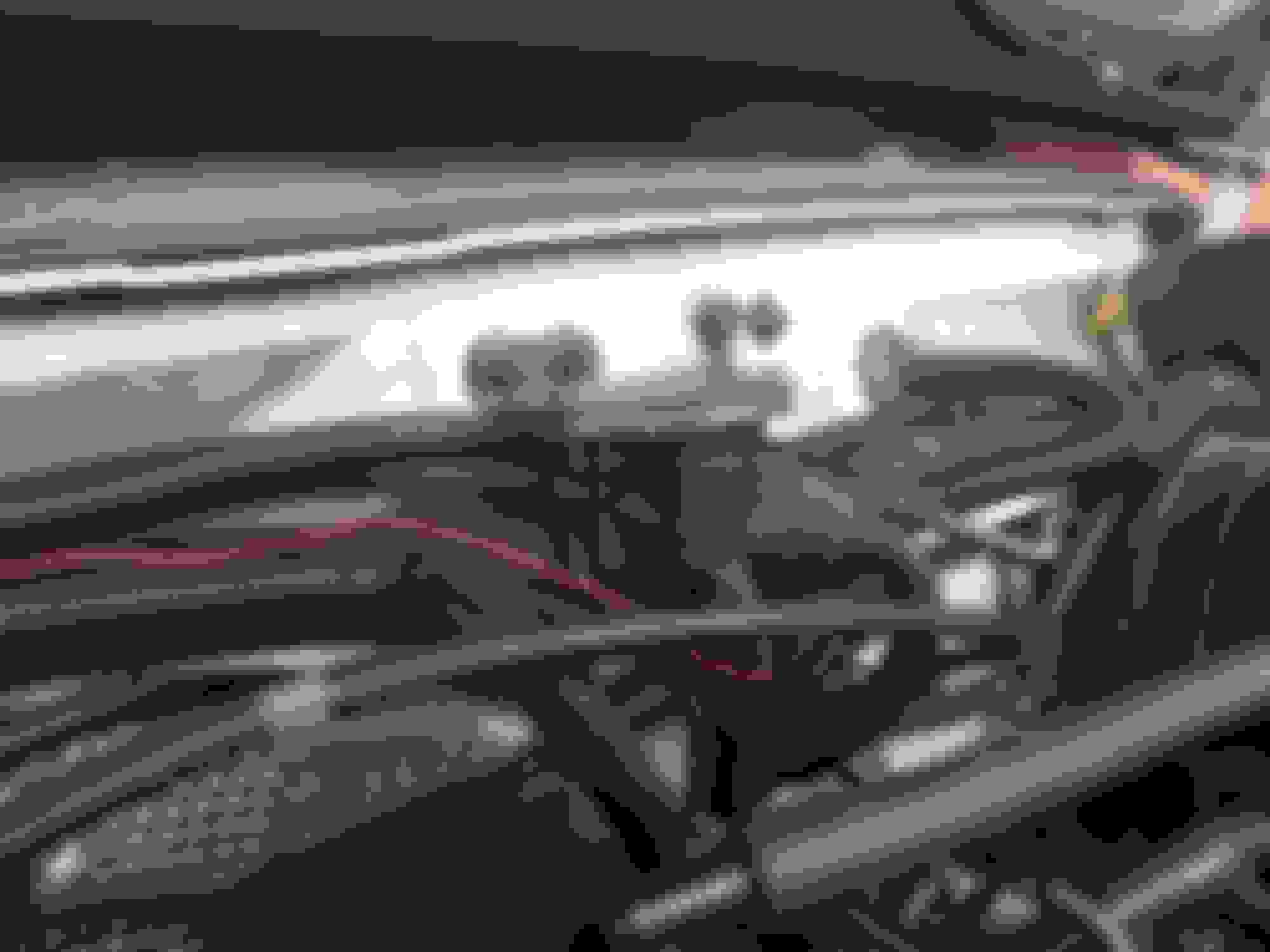
That is a pic of the wrong side. Show me a pic of the passenger side. TXV is thermal expansion valve
So you matched the oil level to that of the old unit, but was the level correct in the old unit? did the old unit die, and in doing so contaminate the system with metal bits, which circulated into the new compressor?
With out the pressure switch, well, that switch will turn off the clutch if the system losses enough freon (and oil) if it leaked out, you bypassed that feature.
A shop that has messed up the AC everytime, and you took it to them anyway? I cant help you except to say, that was not a very enlightened thing to do. A good shop would have insisted the dryer be replaced, and pressure switch installed. if you insist otherwise, well they should have warned you about the pitfalls of doing a half baked job, and thus offer you no warrenty.
So you matched the oil level to that of the old unit, but was the level correct in the old unit? did the old unit die, and in doing so contaminate the system with metal bits, which circulated into the new compressor?
With out the pressure switch, well, that switch will turn off the clutch if the system losses enough freon (and oil) if it leaked out, you bypassed that feature.
A shop that has messed up the AC everytime, and you took it to them anyway? I cant help you except to say, that was not a very enlightened thing to do. A good shop would have insisted the dryer be replaced, and pressure switch installed. if you insist otherwise, well they should have warned you about the pitfalls of doing a half baked job, and thus offer you no warrenty.
live and learn, hopefully.
good luck
I was working in another state, and had to drive home. Wasn't keen on doing so without AC in the southern summer.
The shop did things like mounting tires letter side out when itwhes letter side in, not resetting tps sensor after tire rotation, etc. Small things. They always fixed them for free, and we had a company discount with them. They were always good on the primary work.
Previous AC compressor was rock solid. Worked great. Problem was, I bent the shaft for the clutch trying to change the bearing. Mistakes happen. System was top notch otherwise.
Believe me, I was unhappy when the pressure switch was delayed in the mail, but this is my only car and I needed it back on the road.
I mean low refrigerant isn't going to make your lines explode. If the high pressure switch was bypassed I could see that. Maybe you had too much oil in it? No idea what happened really that's a bummer.
Engine: 4.3L with headers and full 3" exhaust system
Originally Posted by Ad-HocXJ
I believe this is what you mean.
t
Yes, that is it. the reason I asked is that the charging method is different for a system with a TXV. Those gauges on those charging cans are useless for this system. Those are for a fixed orifice system. If you use those gauges you will end up with several times the amount of refrigerant in the system as needed, which will give those really high temps you got. You charge these by sub cooling method, or more simply by the site glass on the accumulator. When running you can see refrigerant bubbles passing by. You add until you get just a fog passing through. Then you are done
t
Yes, that is it. the reason I asked is that the charging method is different for a system with a TXV. Those gauges on those charging cans are useless for this system. Those are for a fixed orifice system. If you use those gauges you will end up with several times the amount of refrigerant in the system as needed, which will give those really high temps you got. You charge these by sub cooling method, or more simply by the site glass on the accumulator. When running you can see refrigerant bubbles passing by. You add until you get just a fog passing through. Then you are done
Heck that's good to know. I've filled up with the can gauge before, and also used a proper r134 gauge set. Guess I'm glad i charged it with the full manifold.
Would it be likely the shop technician didn't realise this and somehow overcharged the system?
Like the previous poster mentioned, low pressure wouldn't be likely to cause a burst line.




 Did I Overheat My A/C Compressor?