When you click on links to various merchants on this site and make a purchase, this can result in this site earning a commission. Affiliate programs and affiliations include, but are not limited to, the eBay Partner Network.
Well these pictures arent going to help much with my explanation above. The car is all the way apart right now... So once they get it back together, I can get pictures of everything boxed in.
Well these pictures arent going to help much with my explanation above. The car is all the way apart right now... So once they get it back together, I can get pictures of everything boxed in.
Someone questions 5-speed’s knowledge about how well an engine compartment is sealed on a race car.
5-speed walks 20 feet out to the shop from his office and takes a picture of an actual race car.
Let me state it as clearly as I can. DOWNFORCE DOES NOT MATTER IN A VEHICLE THAT NEVER GOES OVER 80MPH!!!!!!!!!!!!!!!!!!!!!!!!!!!!!!!!!!!!!!!!!!!!! !!!!!!!!!!!!!!!!!!!!!!!!!!!!!!!!!!!!!!!!!!!!!!!!!! !!!!!!!!!!!!!!!! Dumbass!!!!!!!!!!!!!!!!!!!!!!!!!!!!!!!!!!!!! Put that in your physics calculator and see what comes out.
just wanted to point out that actually aerodynamics starts a minor role at around 45 or 50 mph and it's effects go up a lot after that. Hence why downforce can play a role in 0-60 times. (Not that were building drag jeeps here) but your estimate at 80 mph is way off there.
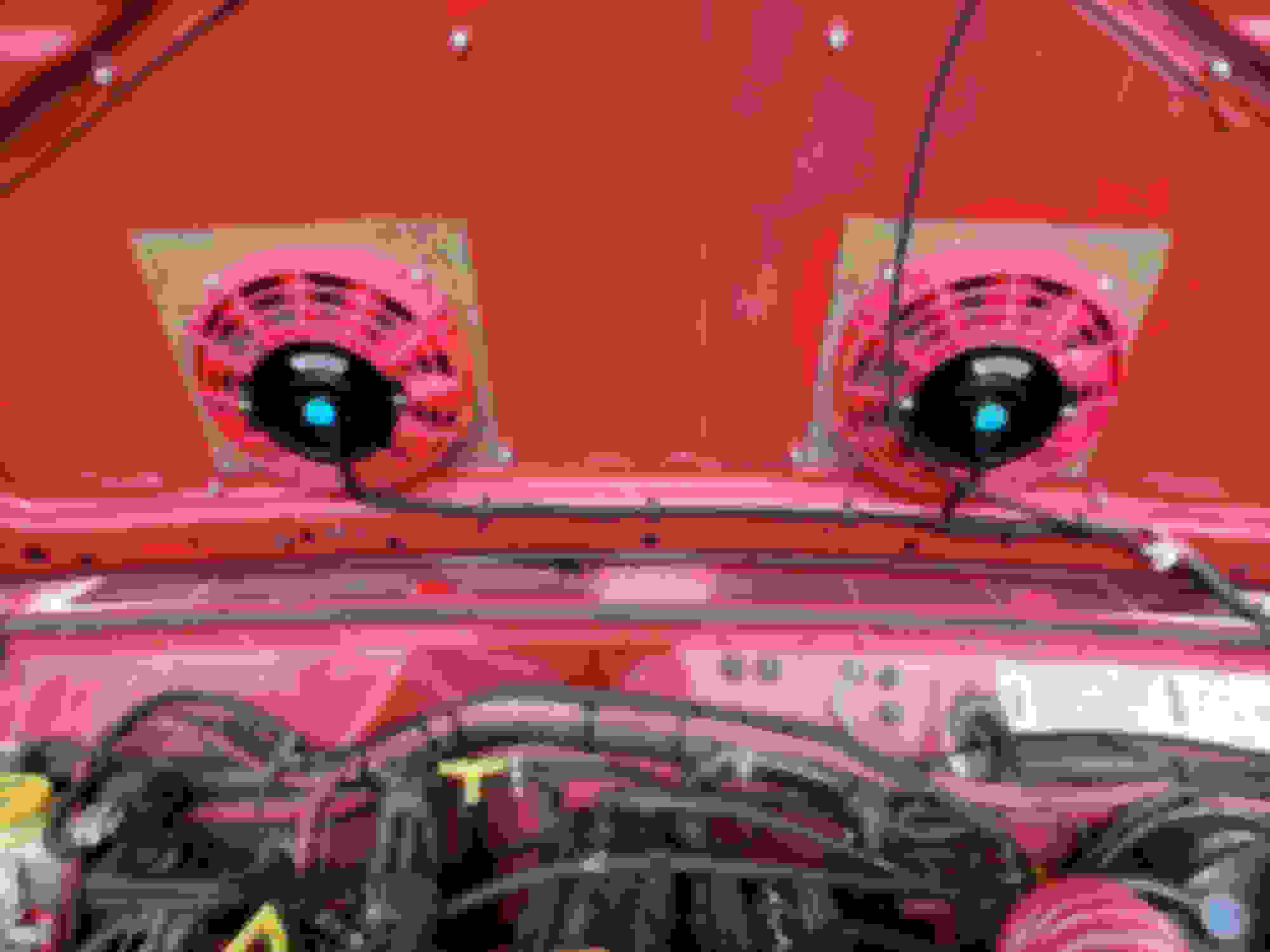
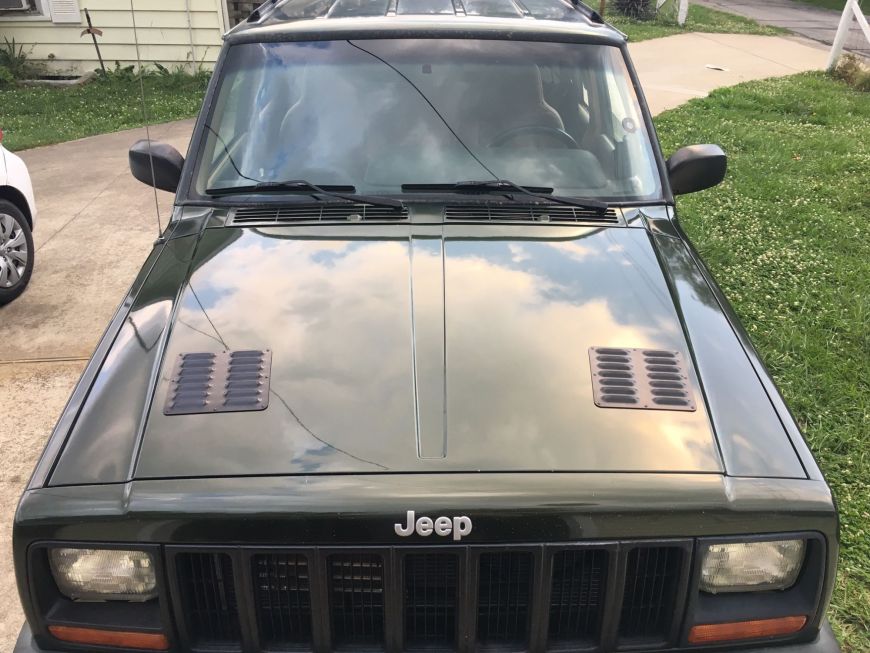
The hottest location I found under the hood was on the drivers side, just behind the throttle body, above the intake. I discovered this through the placement of multiple electronic temperature probes. The exhaust manifold is directly under the intake, heat rises. Air flow enters through the grill, radiator, and AC condenser picking up heat and is blown by the A/C fan towards the rear of the hood but much of that flow is blocked by the air box and the engine itself. This semi blocked air flow creates a pocket of heat in the area I spoke of. Placing the vents on the front of the hood will NOT cool this pocket regardless of your speed. In fact, I'd argue it reduces the little air flow the rear of the hood area would get and makes the hotspot worse. Air flow and heat dynamics demand proper placement of the vents to cool this hot spot. Heat builds under the hood, because it lacks a place to escape. Placing vents at the rear of the hood, above the hotspot with air flow from the front of the engine aids removing that trapped heat. I recommend even better: I used Napier Precision Products hood vents as the have water exclusion characteristics and I installed two cooling fans under the hood. These fans are controlled by a relay and a temperature control switch and kick on at 180 degrees and off at about 150. They exhaust through two 7" holes in the hood, hidden by the hood vents, through a screen. The driver side fan is positioned just behind the throttle body directly over the hot spot at the REAR on the hood. This location also keeps any rainwater making it past the vents from wetting the electronics on the throttle body. Though I noticed almost zero water after a rain. The other fan is located in the same relative position on the passenger side for aesthetics. These fans move appropriately 1600 to 2000 cfh of air from under the hood...only when needed. They do run for about 4 minutes after I shut the engine down, but I have an auxiliary battery (for my winch and lights) that powers them. Most of the time the fans are to only load on that battery. A battery isolator keeps both charged and a manusl disconnect keeps the two batteries split, unless I need them paired.
I plan on giving detailed install instructions on Napier Precision Products Facebook page if your interested. Just wanted to say, I think front mounted vents are ineffective.
Update on my Jeep and my hood vents and overheating issues: I ended up rebuilding the engine head. I thought that maybe there was a small, undetectable leak between cylinders. I don't know if that was true or not, but after a machine shop fixed up the valves and flattened the head surface (they said it was warped out of spec) the engine ran much cooler. I was able to drive from Missouri to New Mexico in the middle of Summer. Then, I went up Monarch Pass in Colorado and it overheated again. After that, the engine was running even hotter than before the fix. We had to limp back home at night when the temps were cool enough.
[edit: this does not apply to owners who only crawl their XJs. But if you drive it at 40+ mph speeds and you want to install hood vents to help the engine cool better, you may want to read this. This is why I put this in the stock tech forum and not the modified tech.]
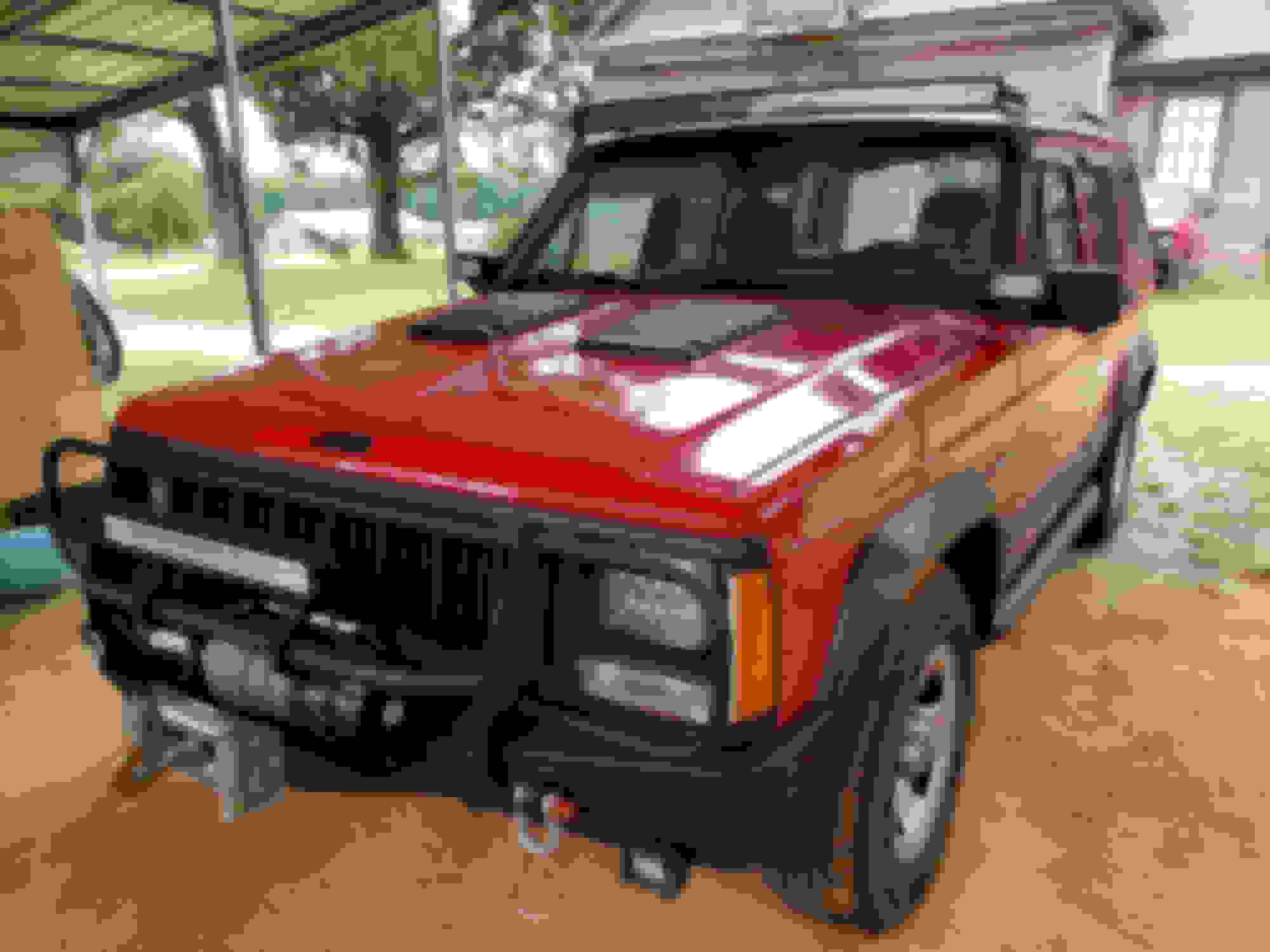
I'm tired of seeing everyone putting their hood vents at the back of the hood, by the windshield where the air pressure is very high, instead of at the front of the hood where the air pressure is low.
I'm not trying to criticize anybody who placed hood vents near the windshield. At crawling speeds, it probably doesn't matter at all and it may even help if that is where most of the heat builds up. But at 35+ mph vents will be ineffective at that location, and at 75+ mph, air may even travel into the hood through the vents because the pressure is so high there. Just like how air can flow into the cowl below the windshield and into the ac/heat and then through the cabin vents, even if the fan is turned off. If the air is going into the engine bay through the hood, this will cause air to travel slower through the radiator!
I just want to help everyone make the right choice.
The point of hood vents is to let the heat out after the engine is shut down NOT for cooling while driving. There's mods on cars and truck I don't like also so I simple don't pay any attention.
The point of hood vents is to let the heat out after the engine is shut down NOT for cooling while driving. There's mods on cars and truck I don't like also so I simple don't pay any attention.
Most people on here who put hood vents on ARE for cooling while driving & crawling/wheeling, NOT for cooling after the engine is shut down....to cool the whole engine compartment.
Most people on here who put hood vents on ARE for cooling while driving & crawling/wheeling, NOT for cooling after the engine is shut down....to cool the whole engine compartment.
Hmmm... never herd that one. Hood vents never will cool an xj engine. Its the residual heat that eats everything under the hood, reason why everyone uses hood vents.
Hmmm... never herd that one. Hood vents never will cool an xj engine. Its the residual heat that eats everything under the hood, reason why everyone uses hood vents.
Not to cool the engine...but the cool the engine compartment......which will help the engine to stay slightly cooler...................
Same reasoning behind ridge vents and turbine vents on the roof of a house.....keep that air space cooler and the heat can't get into the house from there
The fans/vents I installed (see above post) are "temperature controlled". An adjustable temperature control switch triggers a relay which kicks the twin fans on and off. Power is supplied by my auxiliary battery which is normally isolated (manual switch) from the main battery. Charging of both batteries is accomplished as needed through a battery isolator. These fans remove heat from under the hood to help prevent vapor lock. The fuel rail and injectors are also insulated. Whether the engine is running or shutdown underhood temperature controls the fans to vent heat build up. They typically run for about four minutes after engine shutdown if underhood temperature reaches the switch setpoint. Automatic operation can be suspended through a manual switch on the center console.
Yea not sure how much it really matters on our jeeps.
That car posted in the first post has ducting that likely goes through a radiator or intercooler and that's its only purpose. We don't have that kind of ducting on our XJs.
Not to cool the engine...but the cool the engine compartment......which will help the engine to stay slightly cooler...................
Same reasoning behind ridge vents and turbine vents on the roof of a house.....keep that air space cooler and the heat can't get into the house from there